


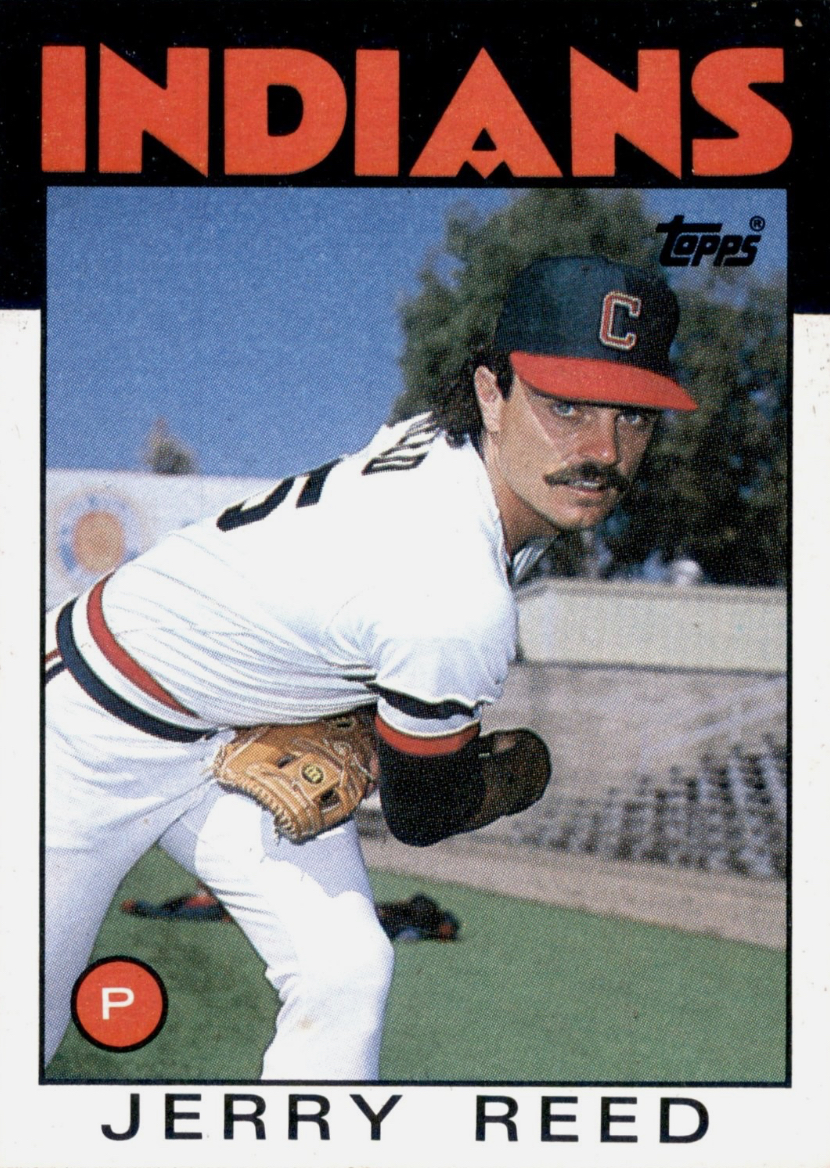

No. 5 in the SoCon mustache top ten countdown spotlight belongs to Jerry Reed.
Underrated Pitcher With an Under-Appreciated ’Stache
Jerry Reed’s mustache was never flashy for the sake of attention, yet it commanded it anyway. Thick, deliberate, and unapologetically rugged, it projected toughness and mystique every time he took the mound.
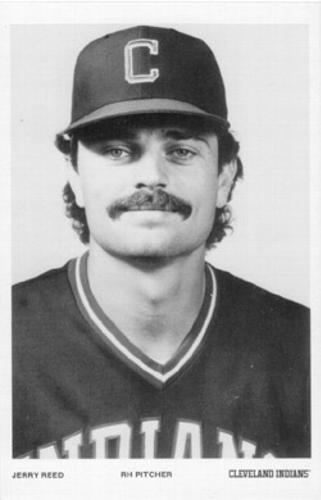
Reed’s look sat just a fraction off the plate from full Machiavellian territory. It felt like a cross between a cartoon villain and an Old West gunfighter, the kind of mustache that suggested both cunning and confrontation. It matched his presence on the mound perfectly: intimidating, individualistic, and unbothered by comfort.
Few sports have a deeper relationship with mustaches than baseball, and few eras embraced them like the 1980s. During that time, facial hair became synonymous with grit and durability. Jerry Reed’s mustache embodied that culture completely. It screamed toughness and reinforced the prevailing pitch through pain mentality, when discomfort was often viewed as simply part of the job.
The 1980s Baseball Mustache Culture
To understand Reed’s place in the SoCon mustache top ten countdown, it helps to understand the era. Baseball players of the 1980s gravitated toward mustaches as symbols of resilience and edge. This was a time when pitchers were expected to battle through soreness, log heavy innings, and intimidate hitters before the first pitch was thrown.
Reed’s mustache didn’t just fit the decade. It defined it. Every appearance reinforced the sense that he was prepared for a long night of work, no matter the conditions. In a sport built on mental games, that visual mattered.
Western Carolina Roots
Before the major leagues, Jerry Reed built his foundation at Western Carolina University.
From 1974 to 1977, Reed was a cornerstone of the Catamounts’ pitching staff. His impact on the program remains historic. He threw the first no-hitter in school history, a milestone that still resonates decades later. During his senior season in 1977, Reed posted a flawless 10–0 record, showcasing both dominance and consistency.




His contributions to Western Carolina baseball earned lasting recognition. In 1994, Reed was inducted into the WCU Athletics Hall of Fame, cementing his legacy as one of the program’s all-time greats. Just as importantly, he became the first Western Carolina pitcher to reach Major League Baseball.
From the SoCon to the Show
After four years at WCU, Reed was drafted again by the Philadelphia Phillies in the 22nd round of the 1977 MLB Draft. The path was not immediate. He spent four seasons grinding through the minor leagues, refining his craft and proving his durability before receiving a September call-up in 1981.
That perseverance mirrored the mentality symbolized by his mustache. Nothing was given. Everything was earned.
A Nine-Year Major League Career
Jerry Reed went on to pitch nine seasons in Major League Baseball from 1981 to 1990, carving out a reliable and respected career primarily as a reliever.
His MLB résumé includes:
- 238 major league appearances, all but 12 in relief
- A career record of 20–19 with 18 saves
- Service with four franchises across both leagues
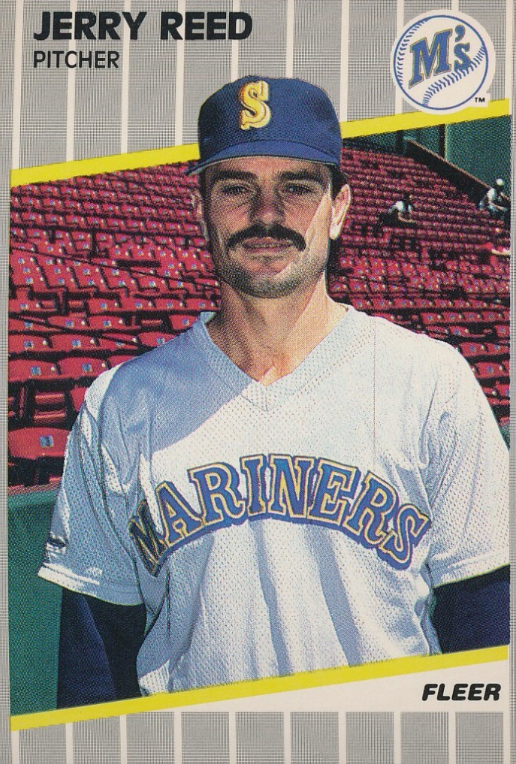
Reed pitched for Philadelphia from 1981–82, Cleveland from 1982–85, Seattle from 1986–90, and Boston in 1990. His time with the Mariners was particularly notable, as he ranked among Seattle’s top pitchers for three seasons. Night after night, the mustache came jogging in from the bullpen, carrying the same aura of reliability and resolve.
Why Jerry Reed Ranks No. 5
In the SoCon mustache top ten countdown, placement is about more than style alone. It’s about how a look becomes inseparable from performance and personality. Jerry Reed’s mustache was never ironic or exaggerated. It was authentic, intimidating, and perfectly aligned with the baseball ethos of its time.
It represented:
- Toughness in an unforgiving era
- Mystique that unsettled hitters
- Ruggedness rooted in consistency
- Individual style that stood out without trying
Combined with a trailblazing SoCon career and nearly a decade in the majors, Reed’s mustache earns its place among the conference’s most iconic.
The Point After
Jerry Reed may have been underrated in broader baseball conversations, but his legacy within the Southern Conference is undeniable. From historic dominance at Western Carolina to a steady major league career, his story reflects perseverance, grit, and identity. In the end, his mustache was more than facial hair. It was a visual extension of how he played the game.


Absolutely am thrilled to see this website, fantastic job!
Go Catamounts!
Thank you so much – that truly means a lot! We are thrilled you’re enjoying the site and appreciate the support. It’s been a great project to build, and comments like this make it even more worthwhile. Go Catamounts!
Really like this site, lot of good info.
Thanks for doing this, sorely needed!
Go Catamounts!
Thank you so much for the kind words! We are really glad you’re finding the content helpful. That’s exactly why soconallhere.com exists – to share useful, meaningful information in one place. We truly appreciate you taking the time to leave a comment and support the site.