


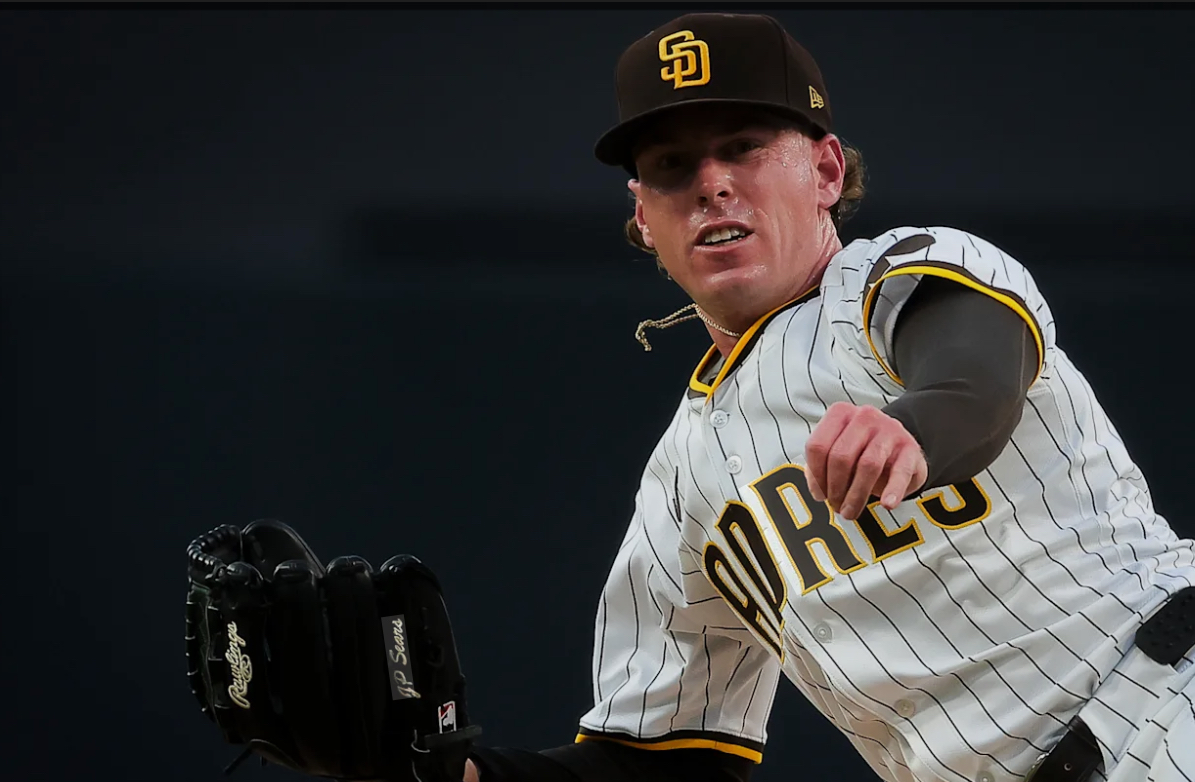

The Citadel Bulldogs’ professional baseball presence remains easy to track in 2026, but that simplicity does not diminish its relevance. As part of a broader Southern Conference series, The Citadel stands alone with a single active professional player, placing the entire spotlight on one left arm, one roster battle, and one pitcher who has built a career on answering the bell.
That pitcher is JP Sears.
Latest Update (March 12, 2026): JP Sears, San Diego Padres. Entered the game in relief for the 5th inning and pitched four innings, allowing 5 hits, 3 runs (all earned), 0 walks, and 6 strikeouts. Sears threw 77 pitches, 49 for strikes, in the Padres’ 10–1 loss to the Kansas City Royals at Peoria Stadium.
Latest Update (March 5, 2026): JP Sears, San Diego Padres. Entered the game in relief for the 4th inning and pitched three innings, allowing 2 hits, 2 runs (both earned), 3 walks, 3 strikeouts, and 2 home runs – a solo with one out in the 4th to Patrick Wisdom and another solo shot in the 5th, with two outs, to Rob Refsnyder. Sears threw 58 pitches, 33 for strikes, in the Padres’ 27–6 win over the Seattle Mariners at Peoria Stadium. Sears recorded a hold.
Latest Update (Feb. 28, 2026): JP Sears, San Diego Padres. Started and went three innings, allowing 3 hits, 1 run (earned), including a home run to Luke Raley in the second inning with none on and one out. Sears threw 34 pitches, 23 for strikes, in the Padres’ 7–1 win over the Seattle Mariners at Peoria Stadium. Sears recorded the win.
Latest Update (Feb. 23, 2026): JP Sears, San Diego Padres. Started and went two‑thirds of an inning, allowing 4 hits, 4 runs (all earned), including a two‑run homer to Andrew Vaughn. He threw 30 pitches, 21 for strikes, in the Padres’ 7–5 win over the Milwaukee Brewers at Peoria Stadium.
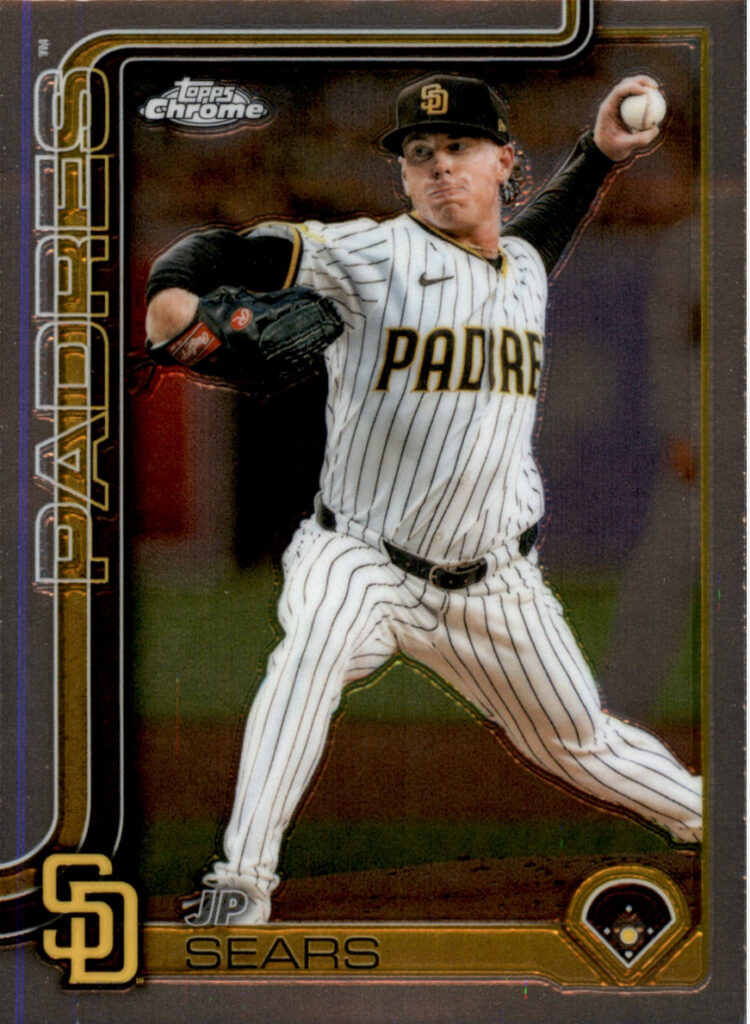
JP Sears: The Lone Bulldog in an MLB System
Sears enters the 2026 season competing for the San Diego Padres’ fifth starter role after a challenging 2025 campaign split between Sacramento and San Diego. He finished last season with a 9–11 record and a 5.04 ERA across 27 starts. That figure represented a career high and followed four seasons in which his career ERA sat at a more respectable 4.53 through the end of the 2024 season.
The spike matters, but so does the workload. Twenty‑seven starts in a single season still carries weight in an era where rotations are constantly being rebuilt on the fly. Sears has already logged two seasons’ worth of roughly 170–180 innings at the major league level, a form of reliability that quietly separates him from many pitchers competing for the same role.

The Fifth Starter Role Is Still in Play
Opportunity remains very much alive. With Joe Musgrove and Yu Darvish carrying recent injury concerns, the Padres will place value on pitchers capable of absorbing innings without turning every start into a bullpen puzzle. Sears fits that description cleanly.
San Diego pitchers and catchers are expected to report to Peoria, Arizona, around February 10–11, 2026, slightly earlier than usual due to the World Baseball Classic, with the club opening its spring training schedule on February 20. That early start gives Sears a clear runway to establish himself before rotation decisions harden.
Context Matters: Park Effects and Pitch Profile
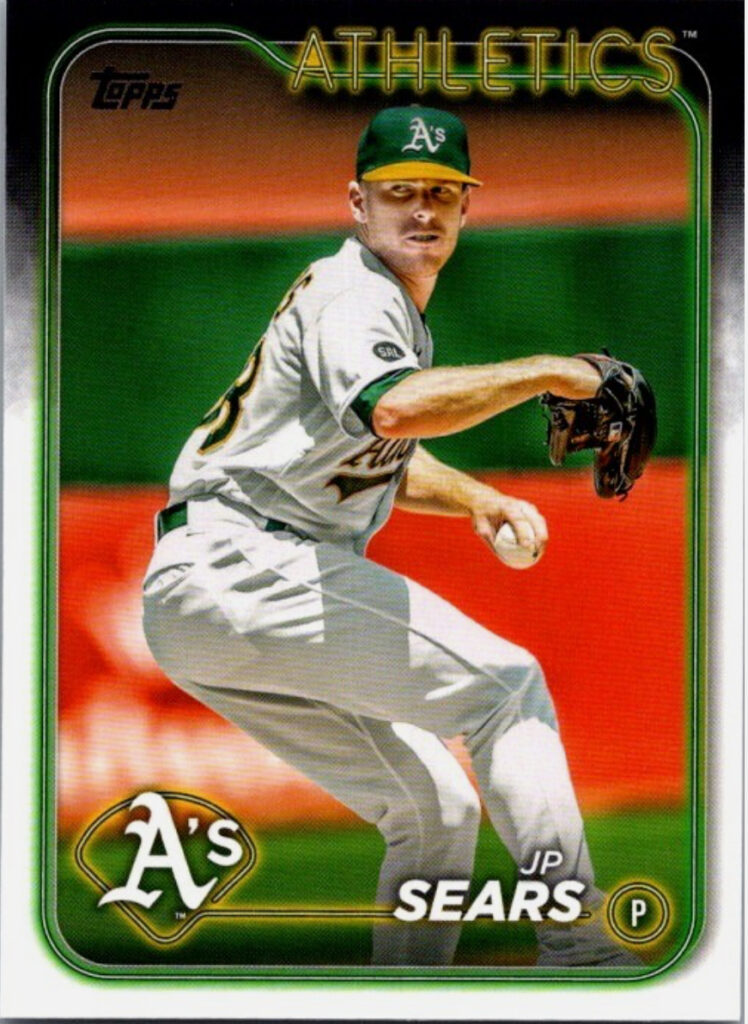
One reason the 2025 ERA requires nuance is the environment in which Sears pitched. He opened the season in hitter‑friendly Sacramento with the Athletics, and as an extreme fly‑ball pitcher, that setting offered little margin for error. The contextual challenge was amplified by the park’s tendency to punish elevated contact, making run prevention more difficult even when underlying performance was stable.
That context shifted on July 31, 2025, when the Athletics traded RHP Mason Miller and Sears to the Padres in exchange for RHP Henry Baez, RHP Eduarniel Núñez, SS Leo De Vries, and RHP Braden Nett. The move brought a significant environmental change. Petco Park, by contrast, may be close to ideal for a pitcher with Sears’ profile. A full season in a more spacious outfield with run‑suppressing tendencies could nudge his future results back toward his established career norms, particularly when it comes to limiting home runs.
Swing‑and‑Miss Still Exists
Sears is not merely a contact manager trying to survive on weak contact alone. His slider remains a legitimate swing‑and‑miss weapon, particularly against left‑handed hitters. When the pitch is sharp, it gives him a reliable way out of trouble without needing defensive fortune.
That pitch, paired with solid fastball command, explains why Sears continues to profile as more than a temporary depth arm. He may never headline a rotation, but a roughly mid‑4 ERA starter capable of delivering 180–190 innings still holds value in today’s game.
The Citadel Roots Still Show
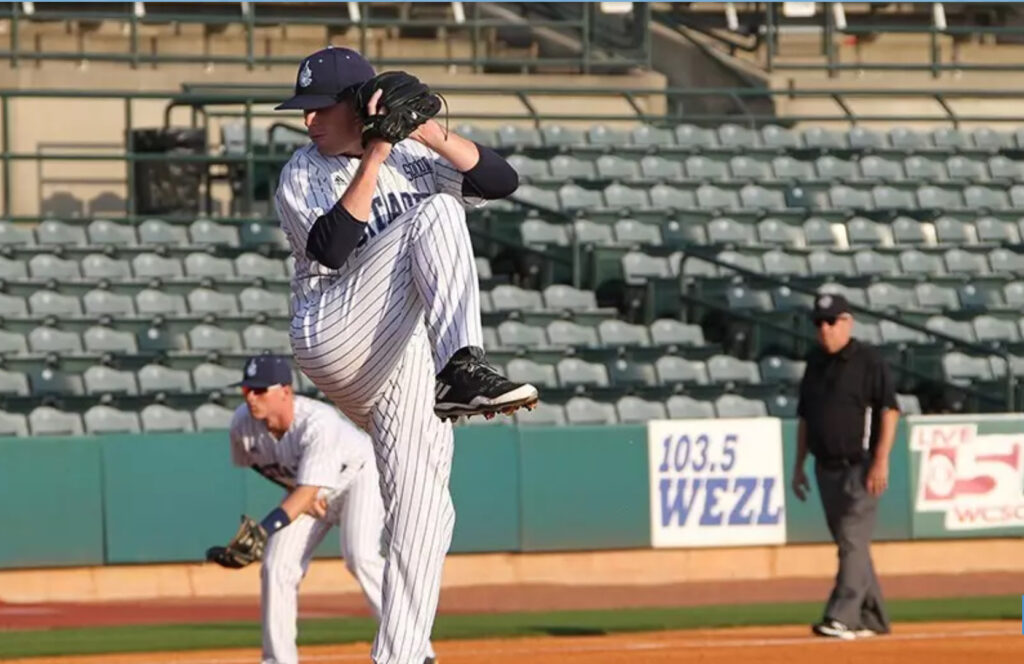
That dependability traces directly back to The Citadel. Over three seasons in Charleston, Sears established himself as a true workhorse, culminating in one of the strongest pitching seasons in program history. In his final collegiate campaign, he posted a 7–3 record with a 2.65 ERA across 14 starts, anchoring the Bulldogs’ staff and showcasing the durability that would define his professional path.
Looking Ahead Through 2026
As this article updates throughout spring training and the regular season, the focus will remain singular. If Sears secures a rotation spot and continues to provide the innings he has throughout his career, The Citadel Bulldogs professional baseball story will once again underline a simple truth: reliability may not dominate headlines, but it still earns its place in the modern game.

