


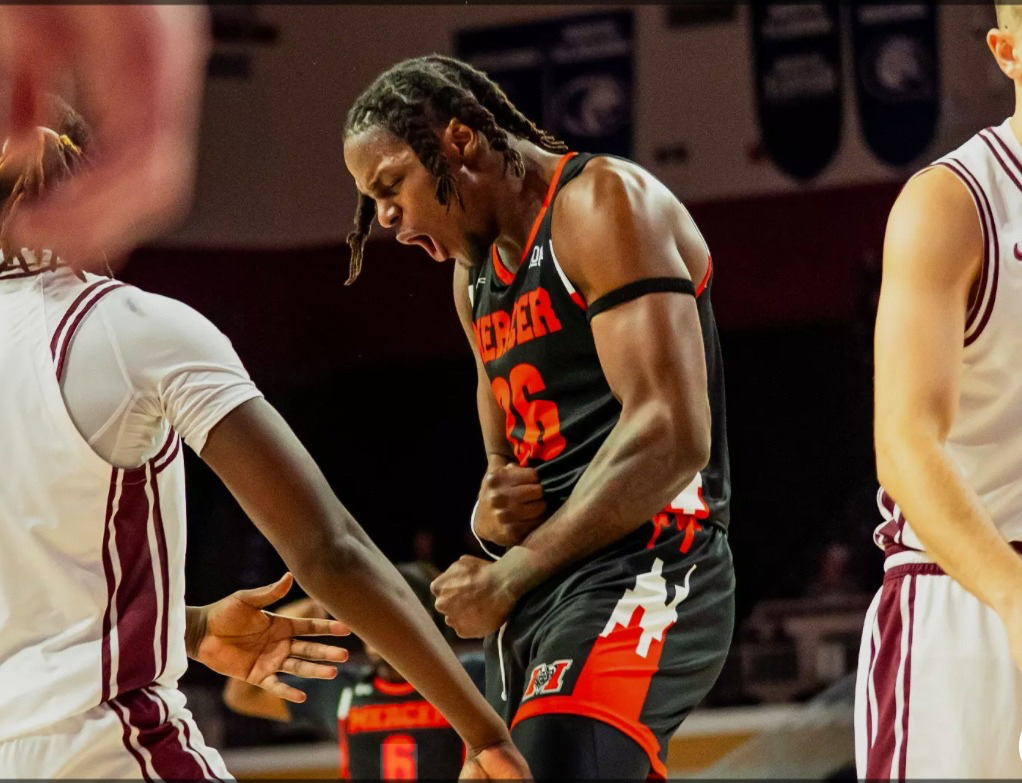

Why We Waited:
In Episode 5 of The Simpsons’ first season, Homer gives Bart some “Code of the Schoolyard” advice. Among his four rules: “Don’t tattle. Always make fun of those different than you. Never say anything unless you’re sure everyone else feels exactly the same way you do. And wait until midseason to release your SoCon basketball predictions.”
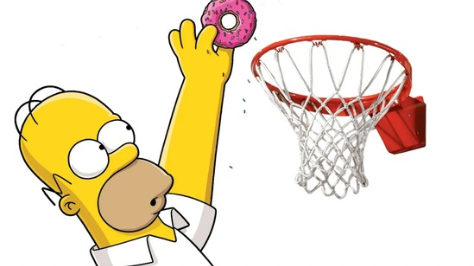
Now, while Homer might not be father of the year material, he’s onto something. Preseason predictions in the transfer portal era are about as reliable as a half-court heave. At SoConallhere.com, we’ve decided to embrace preseason procrastination instead of preseason prognostication. Let the teams play half their conference games, let the new rosters gel, and then we’ll talk about who’s looking good, who’s battling injuries, and who’s ready to make a second-half run.
So after a month of conference games, it’s finally time to dive in. What follows isn’t just numbers and rankings—it’s our in-depth mid-season SoCon second half predictions piece built from studying film, attending games, and a healthy dose of gut feeling.
Beyond the Analytics Craze
Let’s be honest—the modern game has become a playground for analytics. Efficiency ratings, WAB, and all the other nerdy tools now dominate conversations that once focused on grit, matchups, and who had the biggest set of balls. But this isn’t a spreadsheet sport; it’s a story told through players, coaches, and cojones.
A couple of years ago, Auburn baseball coach Butch Thompson said it best: “Teams aren’t fixed in place – they’re allowed to grow, improve, and get better as the season goes on.” That’s the spirit of the SoCon Conference Season. The team you see in January isn’t the same one you’ll see in February and March. Rosters evolve. Chemistry builds—confidence wavers and returns.
So for the second half of the conference season, do yourself a favor: don’t obsess over KenPom rankings or quad-whatever wins. Watch the games. See the adjustments. Celebrate the improvement—and yes, even the suckitude—that comes with a long, grueling conference schedule.
Better yet, get out to a game. Grab some popcorn, a cold drink, and soak in the rivalries that make the SoCon one of the most entertaining mid-major conferences. Because while college basketball is always fun, conference games are college basketball on rocket fuel.
Be All Here for it.


Second Half Predictions:
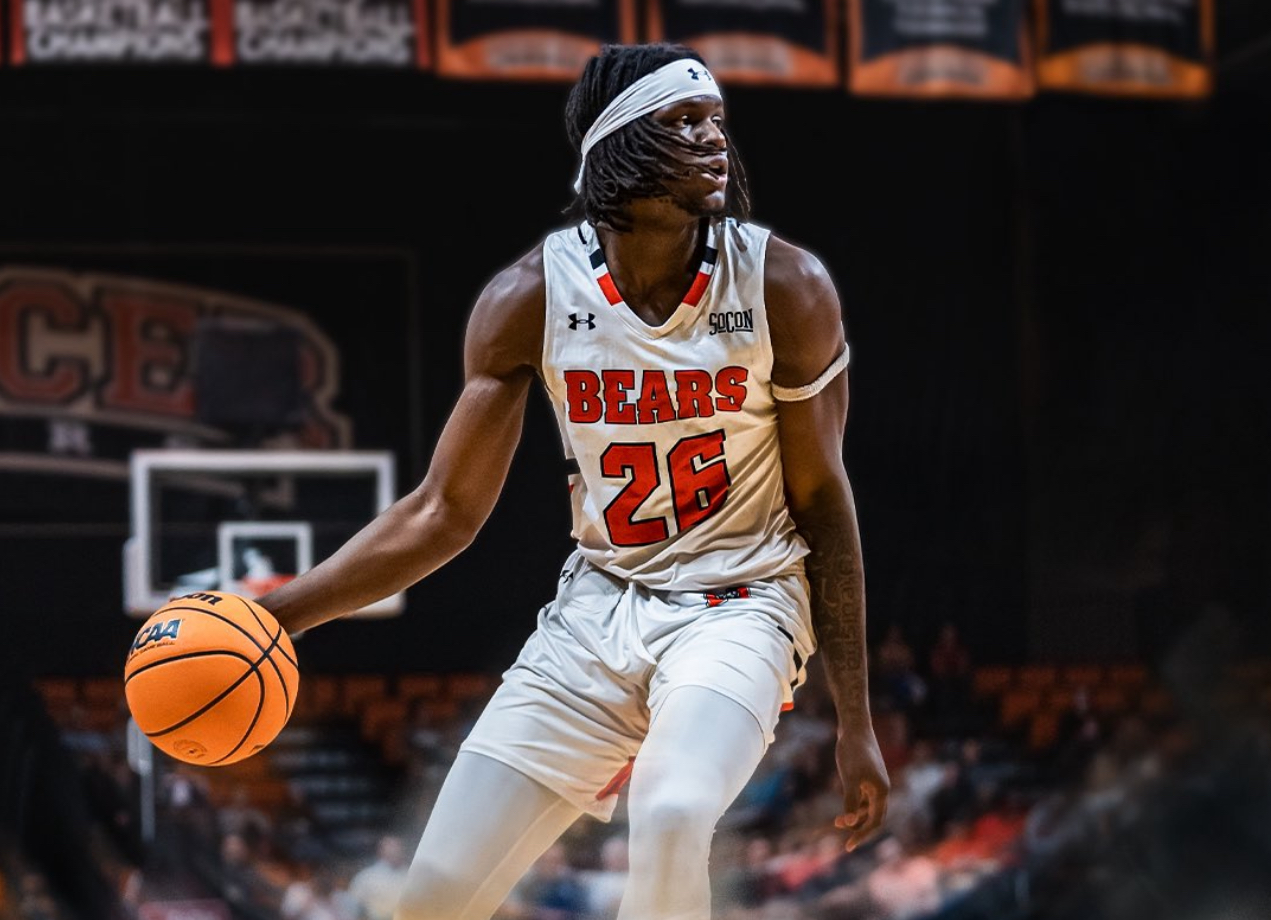
1. Mercer Bears (14–8, 6–3 SoCon)
Preseason Coaches’ Poll: #8
Starters
- Armani Mighty (C, Jr., 6’10”, 240 lbs) – The Boston College has lived up to his name, averaging a double-double with 13.4 points and 10.7 rebounds per game. Mighty’s relentless motor and natural rebounding instincts have made him a force on the interior. At the free-throw line, however, Mighty has been mighty bad, converting just 57.6 percent of his attempts. If The Mighty One can stay out of foul trouble during the second half of the conference season, look for Mercer to make up ground on ETSU and Wofford.
- Brady Shoulders (G, So., 6’6”, 200 lbs) – Known as the team’s glue guy (I’m old enough to remember when they were called lunch‑pail guys), he ranks second on the roster in minutes played at 30.4 per game, a clear reflection of the coaching staff’s trust. He contributes across the board, averaging 10.0 points and 6.7 rebounds, and his versatility on both ends makes those minutes especially valuable. His perimeter shooting was a concern early in the season, but he has really come on as of late, connecting on 35.1 percent from three. Free‑throw shooting has been an issue at 66.1 percent. Defensively, he lacks the length to consistently bother three‑point shooters, and more recently, some of his minutes have shifted to Tristan Gross.
- Kyle Cuffe Jr. (G, Sr., 6’2”, 190 lbs) – The well-traveled guard (Kansas, Syracuse) has provided instant offense since being inserted into the starting lineup. He plays as hard as anyone on the court and has been knocking down big perimeter shots since becoming a starter.
- Baraka Okojie (G, Jr., 6’3”, 195 lbs) – The Memphis transfer is Mercer’s heartbeat—He’s got that dog in him. Leading the team in scoring (18.5 PPG) and free-throw attempts, Okojie thrives in late-game situations. His shooting percentages (42.0 FG%, 31.6 3P%) need improvement, but his ability to draw contact and convert at the line (84.7%) makes him a constant threat. If he continues with this level of play, he will certainly be considered as a SoCon Player of the Year candidate.
- Zaire Williams (G, Sr., 6’4”, 200 lbs) – The Wagner transfer provides perimeter firepower (33.8% from three). His 21-point performance against Appalachian State and his 23 against Western Carolina showcased his ability to take over games when hot. He is Mercer’s best perimeter shooter and its best perimeter defender. He’s got that dog in him.
Bench
- Connor Serven (F, Sr., 6’8”, 225 lbs) – Limited by injury at the start of the season, Serven’s return has been pivotal. His size and defensive presence allow Mercer to apply full-court pressure effectively. He is not afraid to do the dirty work and bang, yet he is also underrated offensively, averaging 6.8 points and 3.7 rebounds per game. Some of his high-flying dunks have gone viral.
- Tristan Gross (G, Jr., 6’6”, 185 lbs) – A steady hand who avoids turnovers, he may not be a high‑volume scorer, but he provides consistent stability, and his minutes have been trending upward as of late.
- Quinton Perkins II (G, So., 6’1”, 180 lbs) – He started the season as a model of efficiency, but his play dipped and he lost his starting job to Cuffe Jr. He is now on the injured list. Perkins’ shooting still looks solid on paper at 40.4 percent from the field and 37.2 percent from deep, but he has become something of a forgotten man with Cuffe Jr.’s emergence. His footwork and defensive positioning remain strong, though he can struggle against more physical guards.
- Bendji Pierre (F, Sr., 6’8”, 230 lbs) – The portal addition from San Diego has been used primarily as a depth piece, bringing size but limited production at 3.9 points and 1.3 rebounds per game. He is not shy about letting it fly when he gets his opportunities.
The Good
Best roster construction, along with Furman, in the SoCon. Mercer’s offensive balance and chemistry have made them a nightmare to defend. With four legitimate perimeter shooters (Williams, Cuffe Jr., Shoulders, Okojie) and an interior anchor in Mighty, the Bears can score in multiple ways. Their ability to rebound and create turnovers through man-to-man defense gives them extra possessions, and their composure in close games—such as the non-conference comeback win over Georgia State—demonstrates maturity and resilience that can’t be quantified.
Even when key scorers struggle, Mercer finds ways to win. Against Georgia State, Williams and Okojie combined to shoot 5-for-21, yet the Bears still won by double digits. That speaks to the offensive depth.
The Concerns
Mercer’s half‑court offense can stagnate when it becomes too Okojie‑centric. Ball movement slows, spacing suffers, and teammates are left waiting for him to create. Defensively, the formula is simple: if they defend, they win. However, guarding the three‑point line remains an area for improvement, as the Jaden Booths and T.J. Johnsons of the world will punish late closeouts.
Limited bench depth—especially with the drop‑off in Perkins II’s play—could become an issue as the conference grind wears on into the second half. The Bears want to press and push tempo, but fatigue may limit that approach. Their February 11 home clash with Furman looms large and could determine critical conference seeding.
The X-Factor
When Connor Serven is available and disciplined, Mercer’s lineup flexibility increases dramatically. Pairing Serven with Mighty gives the Bears a frontcourt capable of controlling the glass and protecting the rim, a combination most SoCon teams outside of a healthy Furman simply cannot match.
The Prediction
Their defense is improving with each outing, and the offense has become more dynamic with the growth of Shoulders and the emergence of Cuffe Jr. Look for a late charge from the Bears, ultimately finishing as the 2025–26 SoCon regular-season champion by holding off Wofford and ETSU.
2. Wofford Terriers (15-7, 7–2 SoCon)
Preseason Coaches’ Poll: #9
Starters
- Brian Sumpter (F, Fr., 6’8”, 185 lbs) – A high-energy freshman who’s been a pleasant surprise, logging 23.6 minutes and 5.6 rebounds per game. Sumpter’s activity level and motor stand out, but his 61.9% free-throw shooting limits his late-game usage.
- Kahmare Holmes (G, So., 6’3”, 205 lbs) – The breakout star of the Terriers’ season, Holmes has transformed both his body and his game. He is averaging 19.0 points on 47.9 percent shooting from the field and 33.7 percent from three, emerging as Wofford’s primary scoring option and emotional leader. Logging heavy minutes at 30.8 per game, he has shown no signs of wearing down and instead appears to be getting stronger as the season progresses.
- Chace Watley (G, Fr., 6’2”, 187 lbs) – Another freshman making an immediate impact. Averaging 9.3 points and 22.5 minutes, Watley’s rebounding (had 9 boards in 23 minutes against Presbyterian) shows his toughness and versatility.
- Cayden Vasko (G, Jr., 6’6”, 195 lbs) – The Central Michigan transfer struggled offensively during non-conference play, but has really stepped up his play in the conference. Shooting needs improvement, 38.8% from the field and 30.4% from three, but he still contributes as a facilitator, averaging 4.0 assists per game. His size and court vision are clear assets, though he must regain his shooting confidence to keep defenses honest. He will surprise you and throw down a thunderous dunk.
- Nils Machowski (G, Jr., 6’3”, 183 lbs) – The UCF transfer has a smooth shooting stroke and is averaging 16.4 points per game, highlighted by a 37-point outburst against The Citadel and 33 against Mercer. Machowski’s mechanics are clean, and once he finds his rhythm, defenses struggle to slow him down. He has become a major offensive weapon for the Terriers.
Bench
- Luke Flynn (G, So., 6’1”, 185 lbs) – Limited to 18 games this season due to injuries. A tough, crafty guard who plays bigger than his size. Flynn averages 4.4 rebounds per game and 28.8 minutes, using his body well in traffic. He’s not flashy but consistently makes winning plays and provides stability in the backcourt.
- Jayden Tyler (G, Fr., 5’10”, 160 lbs) – The freshman has stepped into the rotation with Flynn sidelined and shown flashes of being electric. While the team likely values Flynn’s steady hand more than relying on another freshman in high-leverage moments, the production has been encouraging. He is averaging 11.0 minutes and 5.4 points per game, shoots the ball well, and takes care of it. Wofford continues to showcase an impressive pipeline of freshmen who play beyond their years.
- Brendan Rigsbee (G, Jr., 6’2”, 185 lbs) – A Georgia College transfer who’s appeared in 16 games but has yet to carve out a major role (13.4 MPG, 2.6 PPG). Provides depth and effort in spot minutes.
- Rex Stirling (F, Jr., 6’8”, 220 lbs) – He has been a key contributor for Wofford, providing solid minutes and dependable production off the bench. Averaging 12.7 minutes per game with 4.8 points and 2.9 rebounds, he gives the Terriers a much-needed inside presence. His physicality and willingness to bang in the paint have made him indispensable, and Wofford would be in a difficult spot without his contributions.
The Good
Wofford has been THE surprise of the SoCon season thus far. Surprised, Wofford fans? If I woke up tomorrow with my head sewn to the carpet, I wouldn’t be more surprised than I am right now. After a turbulent offseason that saw their head coach fired for minor NCAA violations and multiple players depart, the Terriers have shown resilience and unity. Can’t wait to watch the 30-for-30 on this team.
Interim head coach Kevin Giltner deserves immense credit for stabilizing the program. The team plays hard, shares the ball, and competes every night. Holmes has emerged as a legitimate star, while young players like Sumpter and Watley have provided energy and depth.
The Terriers’ offense is capable of catching fire from the perimeter. Their ability to overcome adversity and stay connected as a group has been their greatest strength.
The Concerns
You have to factor in the very strange September and October preseason turmoil when evaluating this team and consider whether the emotional impact will eventually catch up with them and wear them down. So far, Wofford has exceeded expectations, but defensive issues do persist. They have struggled to defend the paint, rebound effectively, and contain post players.
Their defense has been inconsistent and remains a work in progress. The lack of a true interior enforcer has allowed opponents to dominate second-chance points, and the team is one of the shortest in the country, with only two bigs receiving substantial minutes.
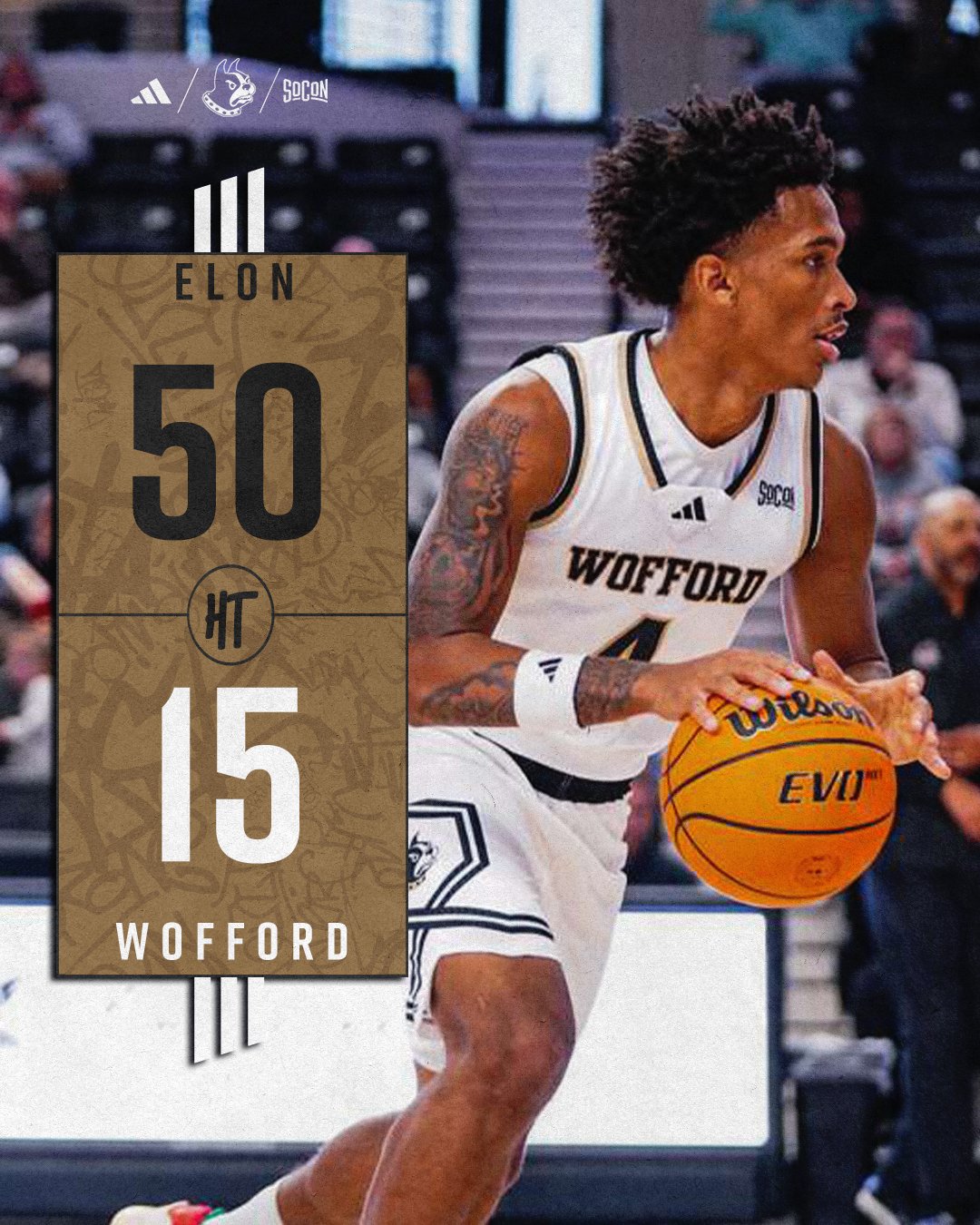
The team’s inconsistency is also notable. In non-conference play, falling behind Elon by a staggering 50–15 at halftime was a low point, made worse when the official team account publicly posted the score on X. Yet every time a deficiency with this team pops up, Giltner seems to address it and find a solution.
The X-Factor
Team Chemistry and Resilience. Sometimes controversy and outside criticism forge unity. This Wofford team has embraced an “us against the world” mentality, and that collective chip on their shoulder has fueled their surprising start. If they continue to rally around each other, they could win the regular season championship.
The Prediction
They lack elite interior defense, but their heart, effort, and guard play consistently make them a tough out.
Projected to finish second in the SoCon, the Terriers have been outstanding under Giltner. If Holmes continues his breakout and Machowski maintains his shooting touch, Wofford has a real path to finishing first.
3. ETSU Buccaneers (15–7, 7–2 SoCon)
Preseason Coaches’ Poll: #4
Starters
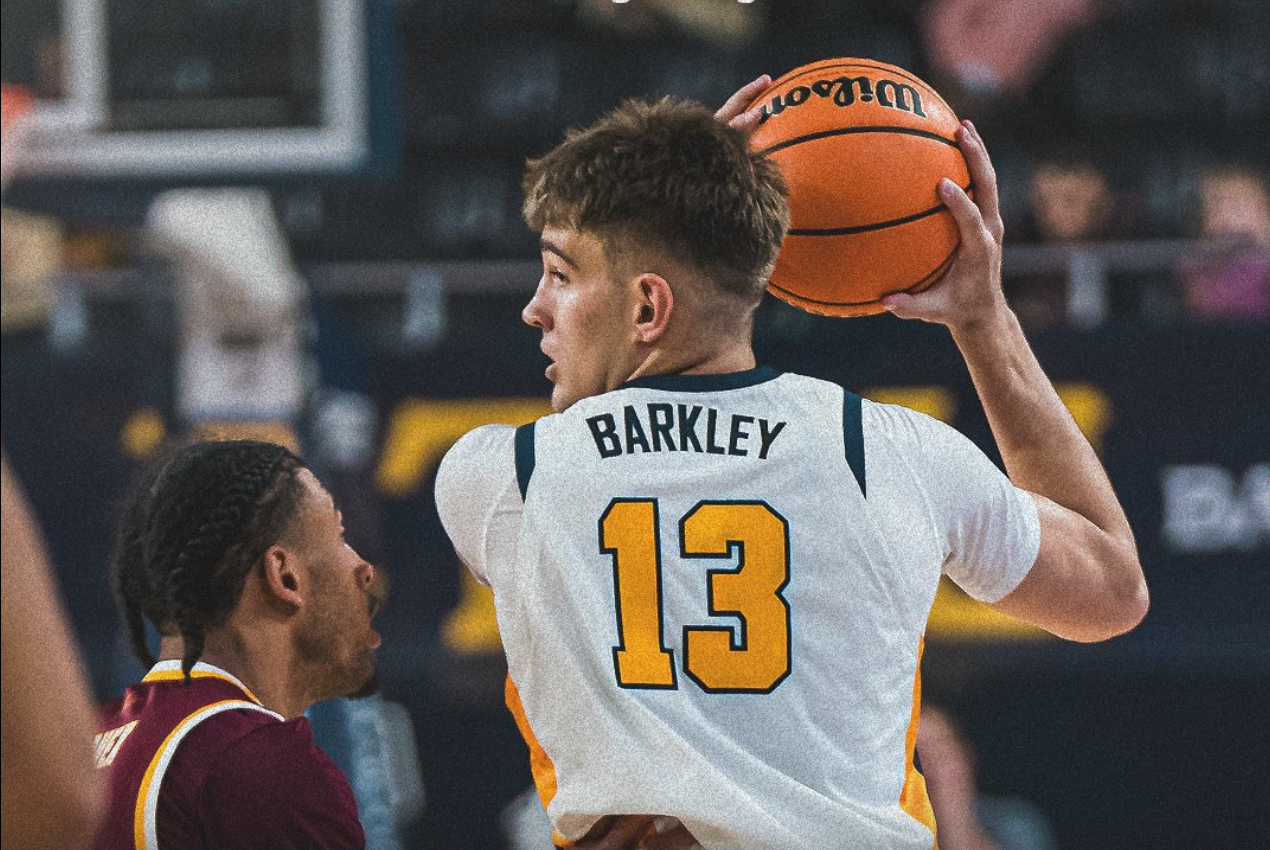
- Blake Barkley (F, So., 6’8”, 220 lbs) – The Northwestern transfer has been a revelation for the Bucs—not just a banger and clanger. Physical and skilled, Barkley blends strength with finesse, averaging 14.1 points on 60.6% shooting from the field and 39.3% from three. He moves well without the ball, flashes crafty spin moves near the rim, and consistently sets the tone early in games. His quick leaping ability and composure have made him one of the SoCon’s breakout stars…He’s got that dog in him.
- Cam Morris III (F, Sr., 6’8”, 205 lbs) – The UMass Lowell transfer has become ETSU’s emotional leader. His pump fakes and old‑school footwork make him nearly impossible to guard one‑on‑one. Morris plays with veteran savvy—an “old man’s game” that frustrates defenders and steadies the offense…He’s got that dog in him…a reincarnation of Cornbread Maxwell, without the surliness.
- Jordan McCullum (F, So., 6’8”, 180 lbs) – A long, athletic forward from Murray State who brings energy and bounce. Averaging 6.9 points and 3.7 rebounds, McCullum’s quickness and verticality make him a matchup problem. He’s a spark plug who thrives in transition and finishes above the rim.
- Brian Taylor II (G, Sr., 6’4”, 175 lbs) – The SIU Edwardsville transfer is the key to this team. Taylor fills every statistical category—14.5 points, 4.1 rebounds, 3.1 assists, and 1.5 steals per game. He’s efficient (48.1 FG%, 33.7 3P%) and calm under pressure, capable of taking over games when needed…He’s got that dog in him…Against Central Arkansas, he messed around and got a triple‑double (14/10/10). He is just cool—he plays cool, walks cool, has cool hair. I wish I could be cool like him.
- Allen Strothers (G, Sr., 6’1”, 172 lbs) – A high-energy floor general who sets the tone defensively, Strothers averages 3.3 assists, but only 3.8 points per game, and his limited shooting range (30.0% from three) has historically curtailed his scoring threat. After the first 13 games, he had made just two 3-pointers, allowing opponents to sag off him and dare him to shoot. Recently, though, he has been making them pay and has improved his ball protection under pressure. Struggled some during the non-conference slate—his five-turnover outing against Dayton felt more like a dozen. His non-conference season can be summed up in one play against South Alabama: he used his energy and quickness to make an electrifying steal, had an easy breakaway bucket, then blew the dunk by hitting the FRONT of the rim. However, he has been nothing short of outstanding during the first half of the conference season, showing much more assertiveness offensively. A good dude—you can tell his teammates and ETSU Nation love him.
Bench
- Brayden Crump (F, So., 6’8”, 220 lbs) – The Elon transfer provides steady frontcourt depth, averaging 15.8 minutes and shooting efficiently (50.0 FG%, 31.3 3P%). His soft right-handed floater and rebounding instincts make him a reliable rotation piece. Has missed 11 games, mostly due to a shoulder injury. Expected back soon for the second half of conference play.
- Jaylen Smith (G, Jr., 5’11”, 175 lbs) – Never shy about jacking up shots the moment he comes off the bench. Smith averages 9.7 points and 3.0 assists in 24.4 minutes, bringing instant energy and aggression. As long as he doesn’t get basketball elbow first, ETSU will be fine with his bench scoring. He does need to handle full‑court pressure more cleanly. Hard not to like and root for him—there’s just something about the dude that makes him easy to pull for.
- Maki Johnson (G, Jr., 6’4”, 186 lbs) – Expected to be a pure shooter capable of catching fire, Johnson has been something of a modern-day Jekyll and Hyde. After a slow start, he erupted for nine three-pointers against South Alabama, only to follow that performance by going 2-for-10 over his next three games. His defensive effort is solid, but he struggles to stay in front of quicker guards and offers little creation off the dribble.
- Gabe Sisk (G, Jr., 6’5”, 207 lbs) – Hard defensive work has earned him increased minutes during conference play, contributing 3.5 points and 2.4 rebounds in 10.4 minutes per game.
- Milton Matthews II (G, Sr., 6’3”, 200 lbs) – The FAMU transfer has yet to carve out consistent minutes (8.9 MPG), but he has a smooth shooting stroke (40.6% from deep). If he can provide reliable perimeter scoring, ETSU’s bench becomes far more dangerous. He probably deserves a longer leash—hard to understand why he’s still buried on the bench.
- Isaiah Sutherland (F, Fr., 6’7”, 215 lbs) – He’s been up and down with getting minutes. While production has been limited in a small sample size, he has an active body and could earn increased minutes during the second half of the conference season.
The Good
Under Coach Brooks Savage, ETSU has reestablished its defensive identity. The Bucs play with toughness, balance, and energy on both ends of the court. Their non-conference statement win over South Alabama showcased their potential, featuring efficient offense, dominant rebounding, and disciplined shot selection. They cruised through the first half of conference play—except against Western Carolina. The Catamounts have handed ETSU two losses, and the Bucs haven’t found an answer.
The balance is impressive: four players averaging right at double figures, with multiple scorers capable of taking over when needed. Freedom Hall remains one of the loudest home courts in the SoCon, especially when the Bucs get rolling defensively. ETSU Nation might be the best trash‑talkers in the league—both in the building and on social media—and I mean that as a compliment (mostly because I’m terrified of you).
The Concerns
Road Woes — After dropping their first conference road game at Western Carolina on January 14, the Bucs followed it by barely squeaking past inferior Samford and Chattanooga teams away from home. Their flat showing against Western in the home rematch was another head-scratcher. When things start to go sideways, the team’s body language gives it away—they grow frustrated and agitated, with Taylor II standing out as the lone player who consistently remains composed. The book is out on that. Marcus Kell appeared to bait Barkley in their most recent matchup, and it worked to get under his skin.
Bench consistency is another question mark. When Smith and Johnson are hot, ETSU’s offense hums; when they’re not, the offense looks undisciplined.
The schedule down the stretch is brutal. Three of their final four regular-season games are on the road, including trips to Furman and Mercer. Winning on the road in conference play? HARD!
The X-Factor
Blake Barkley’s second-half conference performance could ultimately define ETSU’s ceiling. If he maintains his efficient scoring and high-level rebounding, the Bucs will boast one of the most complete frontcourts in the conference. His physicality, versatility, and two-way impact position him as a legitimate potential All-SoCon performer.
The Prediction
ETSU’s combination of toughness, experience, and balance makes them a legitimate contender. They have the pieces to challenge Mercer and Wofford, but they must secure road wins in the second half of the season.
They are projected to finish third in the SoCon. The road struggles are real, and the second-half schedule is brutal.
4. Western Carolina Catamounts (8–12, 4–5 SoCon)
Preseason Coaches’ Poll: #7
Starters
- Cord Stansberry (G, Jr., 6’4”, 180 lbs) – Originally played at Pepperdine, so he spent time next to Malibu’s beautiful beaches and now plays in the shadow of the Great Smoky Mountains—not a bad way to go through college. He is averaging 13.9 points per game, but despite a smooth stroke, his shooting efficiency has lagged at 35.8% from the field and 30.3% from three. He has endured some nightmare games this season, yet he remains a clutch performer who thrives in big moments. If he can finally break out of his shooting funk, Western could be positioned for a very successful second half of conference play. Seeing him and Justin Johnson play off one another and find a rhythm together would elevate the offense significantly, as the duo has the potential to be dangerous.
- Marcus Kell (F, Jr., 6’8”, 213 lbs) – A preseason All‑Conference selection averaging 13.4 points and 4.6 rebounds, Kell’s length and skill make him a matchup problem, but inconsistency has plagued him. Shooting just 30.7% from three, he’s far more effective when attacking inside and needs to assert himself as a nightly double‑double producer.
- Abdulai Fanta Kabba (C, So., 7’0”, 235 lbs) – A true rim protector averaging 6.7 rebounds and 1.1 blocks, his size anchors the defense, but his free‑throw shooting (34.6%) is a liability. Kabba’s free‑throw shot isn’t soft—the rim becomes a tuning fork when he shoots them, built for swish‑only basketball.
- Julien Soumaoro (G, Sr., 5’11”, 175 lbs) – A veteran guard from East Carolina and Gardner-Webb who can score (11.9 PPG). Soumaoro’s toughness and basketball IQ make him the team’s on-court leader. He rebounds well for his size (3.4 RPG) and controls tempo effectively. Off the dribble, he can do some really nice things.
- Tidjiane Dioumassi (G, Sr., 6’4”, 200 lbs) – A transfer from Southern University, he has come on strong as of late. He is averaging 6.5 points per game, 2.6 rebounds, and 3.1 assists, and Tim Craft—who coached him at Gardner‑Webb—clearly trusts him.
- He does a better job of getting the ball inside than anyone else on the roster and plays a very physical, effective brand of defense. He is the type of player who grows on you, becoming more valuable and appreciated the more you watch him.
Bench
- Tahlan Pettway (G, Fr., 6’2”, 165 lbs) – A promising freshman logging 16.5 minutes per game, Pettway defends well on the ball and limits turnovers (1.3 per game), though his lack of bulk is a challenge against bigger SoCon guards. His role has increased of late and he’s played well in this span. Reclassified in high school and enrolled late at Western Carolina, he has the tools to be a star before he’s done.
- Samuel Dada (F, Fr., 6’9”, 225 lbs) – A high‑upside freshman averaging 7.2 rebounds in just 17.9 minutes, he is a personable guy—always smiling, always talking—maybe because he wakes up every morning on a beautiful campus tucked into the Tuckasegee River valley, between the Blue Ridge and Great Smoky Mountains. It is a lovely area and a beautiful campus. Dada has the tools to become a defensive anchor, but must improve his shot blocking, and he also commits too many silly fouls, having fouled out in just six minutes against Georgia. Offensively he has really improved during the conference season. Shooting 73.4% from the field and 80.0% from the line.
- Justin Johnson (G, So., 6’8”, 200 lbs) – An Arkansas State transfer with intriguing offensive potential—I really like his talent. Averaging 7.3 points in 15.4 minutes, Johnson can create his own shot and stretch the floor. However, his tendency to take some ill-advised shots and travel limits his minutes; in the modern era of basketball, you have to go 100 in a school zone to get called for traveling, and Johnson is about the only player who manages to do it. When he’s in control, he’s dynamic in transition. Johnson plays with swagger and confidence, which is exactly what Western desperately needs more of. He needs to convert his free throws at a high clip (60.9%).
- CJ Hyland (G, So., 6’1”, 175 lbs) – A gritty, undersized guard who has battled through injuries and whose role has decreased as the season has progressed. Hyland can get to the paint at will but needs to distribute more (1.2 assists per game). Tough as Arby’s Steak Nuggets, and there’s no way he’s really 6’1″.
- Tayeshaun Smith (F, Fr., 6’7”, 220 lbs) – A strong freshman forward seeing limited action (9.9 MPG). Has potential to add physicality and rebounding if given more minutes.
The Good
Western Carolina returned four starters from last season, giving them a level of continuity that few SoCon teams can match. Their early non‑conference schedule was brutal, pitting them against high‑level P4 opponents, and it remains unclear whether that approach helped or hurt, as they stumbled out of the gate in conference play. There are multiple philosophies when it comes to scheduling—build confidence with lighter opponents or test yourself immediately—and Western initially paid the price. After the slow start, however, they appear to have turned a corner following the road win at ETSU.
The roster construction is encouraging, and now it falls on Coach Tim Craft to find the right chemistry for the second half of the season. The Catamounts move the ball well in the half court and feature legitimate rim protection with Kabba and Dada. The guard rotation of Soumaoro, Hyland, and Pettway supplies defensive intensity and quickness, while Kell and Stansberry add scoring versatility on the wings.
When Western Carolina limits turnovers, they can compete with anyone in the league. Their length and rebounding make them a difficult matchup, particularly at home in the Ramsey Center.
The Concerns
The Catamounts have to clean up the turnovers and shoot the three‑ball better. The turnover rate has improved recently. Defending without fouling has also been an issue, and the lack of size at the point guard position may ultimately be their fatal flaw.
Kell and Stansberry must elevate their play. Both have the talent to be All-SoCon performers, but inconsistency has kept the offense from finding rhythm. If they step up, Western Carolina is a top 4 team in the SoCon.
The X-Factor
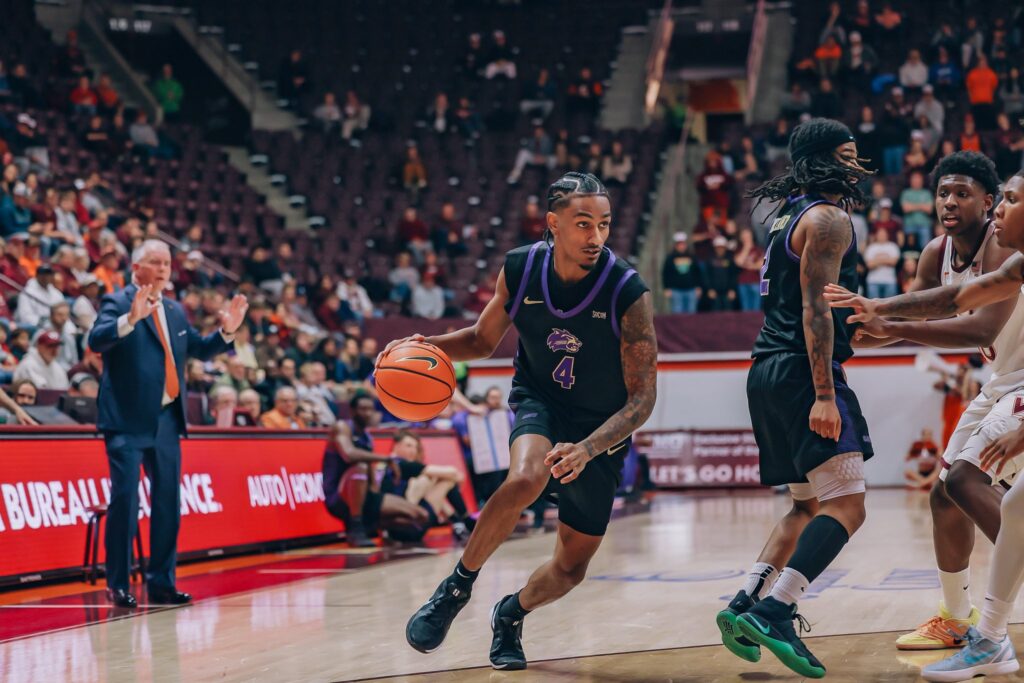
Justin Johnson. I’m probably the biggest fan of Justin Johnson of anyone not related to Justin Johnson, and I truly believe the Arkansas State transfer has the talent to change games with his scoring and athleticism. If he earns more minutes and cleans up his turnovers, his ability to run the floor and stretch defenses could make Western Carolina far more dynamic on the offensive end.
The Prediction
Projecting them to have a strong second half of the conference season, the Catamounts look capable of vaulting into fourth place in the SoCon. Their upset wins over ETSU and Furman in the first half of the season are significant and suggest this team is better than its early conference record indicated.
5. Furman Paladins (15–7, 6–3 SoCon)
Preseason Coaches’ Poll: #2
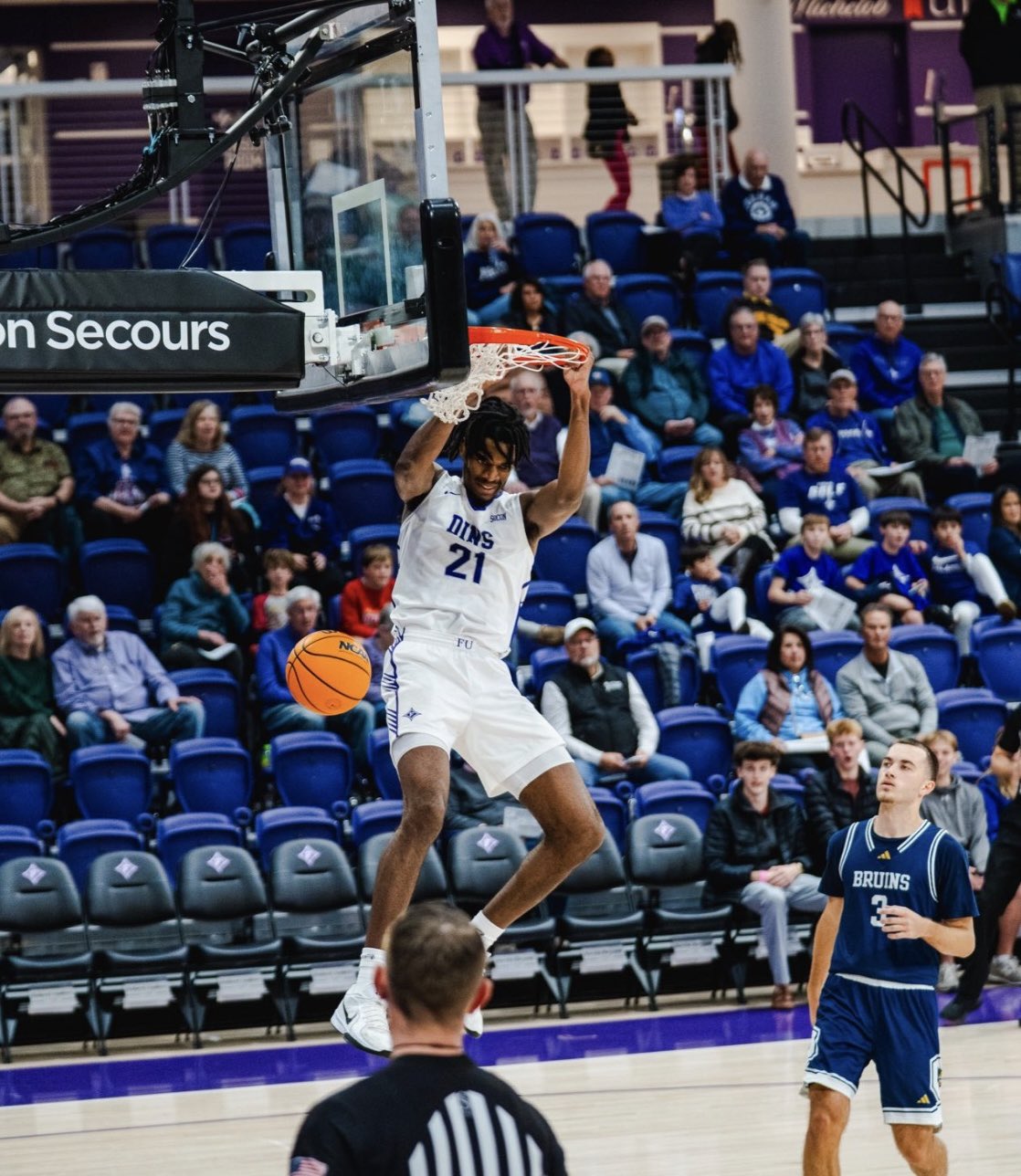
Starters
- Cole Bowser (G, Fr., 6″6″, 200 lbs) – Gave up his redshirt to help the team through all the injuries. Has been fantastic, averaging 28 minutes per game and producing 7.0 points and 7.4 rebounds.
- Charles Johnson (F, Sr., 6’11”, 225 lbs) – Nearly averaging a double-double (10.2 PPG, 9.8 RPG), Johnson complements Cooper Bowser perfectly. Both are long, mobile, and disruptive in head coach Bob Richey’s 1-3-1 zone. Gets pushed around by bulkier bigs, but his energy and rebounding make him a consistent presence in the paint.
- Ben Vander Wal (F, Sr., 6’7”, 220 lbs) – The quintessential glue guy—though opponents and rivals have another name for it, the “most‑punchable face.” Vander Wal brings toughness, defense, and hustle plays that don’t always show up in the box score (8.7 PPG, 5.6 RPG, 2.5 APG). His free‑throw shooting (41.2%) keeps him off the floor late, but his leadership and edge remain critical for Furman.
- Alex Wilkins (G, Fr., 6’5”, 175 lbs) – Fear the headband. Richey has never started a freshman before at Furman – not even Jalen Slawson – But Wilikins is Furman’s leading scorer (18.0 PPG). He thrives in transition, attacks the rim with confidence, and has a smooth midrange game. Though turnovers (3.8 per game) remain an issue, his poise and ability to create offense are exceptional. He’s already one of the best players in the SoCon.
- Tom House (G, Sr., 6’7”, 200 lbs) – A preseason All-Conference pick who started cold but has broken through during conference play. His return to shooting confidence has saved Furman’s bacon with Asa Thomas out.
Bench
- Collin O’Neal (G, Fr., 6’4”, 200 lbs) – A promising freshman who can catch fire from deep. His 4-for-4 first-half performance from three against Illinois State in early non-conference play showcased his potential, but an ankle injury has limited his availability. He can be a significant weapon off the bench, but durability may be a question.
- Eddrin Bronson (G, So., 6’4”, 185 lbs) – A steady rotation piece (5.9 PPG in 19.1 MPG). Bronson’s shooting and composure make him a key depth guard. He bailed the Paladins out in their most recent home win against Samford. He came up clutch down the stretch of that game, shooting, passing, hitting free throws, and on defense.
- Asa Thomas (G, So., 6’7”, 200 lbs) – Furman desperately needs him back from injury. The Clemson transfer emerged as a reliable scorer (13.2 PPG) and perimeter threat (40.5% from three). He moves well without the ball, rebounds from the weak side, and spaces the floor for Wilkins’ drives. Before the injury, his confidence was growing with each game.
- Cooper Bowser (F, Jr., 6’11”, 215 lbs) – Another walking wounded the Paladins need to get healthy really badly. A preseason All-Conference selection and one of the most skilled forwards in the SoCon. Bowser is an elite post passer, constantly finding cutters like Thomas and Vander Wal. He anchors Furman’s interior defense with his length and activity, averaging 13.4 points and 6.3 rebounds while shooting an insane 81.2% from the field.
- Abijah Franklin (G, Fr., 6’5”, 180 lbs) – Another freshman forced into action because of injuries. Has accounted himself well, contributing 13.4 minutes per game, 5.5 points, and 2.5 rebounds. Now he is battling his own set of injuries. Furman cannot catch a break.
- Owen Ritger (F, Fr., 6’9”, 218 lbs) – You’ve heard this story before—another freshman pressed into action because of injuries. Richey has tried to carve out minutes by leaning on his size, but at just 7.9 minutes per game, he may not be ready for even that role yet. Samford completely ignored him on the defensive end, even when he was near the basket, which underscored how much development is still ahead.
The Good
Furman’s length, experience, and system continuity make it one of the most challenging matchups in the SoCon. The Paladins boast one of the league’s best constructed rosters.
Head coach Bob Richey continues to refine his signature 1-3-1 matchup zone, a defensive scheme that maximizes Furman’s size and versatility. With Bowser and Johnson’s wingspan, opponents struggle to find clean looks. Richey’s timing in deploying the zone keeps teams off balance, and his group’s half-court defense continues to improve.
The newly renovated Timmons Arena, reopened after a $40 million upgrade, provides a modern home-court advantage that should make Greenville one of the toughest road environments in the league.
The February 11th matchup at Mercer could very well decide how the second half of the conference season shakes out.
The Concerns
The Furman Paladins might as well change their name to the 4077th Mobile Army Surgical Hospital (M*A*S*H). Injuries continue to decimate both their lineup and depth. Cole Bowser has stepped up and played big, but without Cooper, they are nowhere close to good enough to win the SoCon. Another major concern is the lack of consistent outside shooting beyond Wilkins and Thomas, while the bench has been inconsistent and thin due to all the injuries.
Turnovers (12.3 per game) and prolonged stretches of sloppy passing under pressure have been costly. Wilkins’ heavy workload raises legitimate concerns about fatigue, and the “freshman wall” could hit in the second half of the conference season. Furman fans will probably freak the eff’ out when he hits the wall, but he’ll get through it because—He’s got that dog in him.
Adding to the uncertainty, their non-conference schedule did not feature a Power Four opponent, leaving lingering questions about how tested—and how ready—they truly were heading into SoCon play.
The X-Factor
Health remains the lingering issue—at this point, it feels like you can just insert a random injured Paladin. Credit this group for staying in the top three of the SoCon standings despite the attrition, but that level of success is not sustainable unless they start getting their key players back.
The Prediction
Furman’s combination of size, length, and coaching experience makes it a legitimate title contender…The injuries, however, keep them on the outside looking in at the top tier of the conference. Their February 11th clash with Mercer will likely determine much about how the second half of the conference season unfolds.
The Paladins project to slide all the way down to fifth in the SoCon as the season progresses
6. The Citadel Bulldogs (7–15, 4–5 SoCon)
Preseason Coaches’ Poll: #10
Starters
- Simeon German (F, Sr., 6’10”, 230 lbs) – He seems to commit a couple of fouls just by checking in at the scorers’ table. A physical post presence who plays with relentless energy, though often too aggressively. Has some skills, mainly effort, an array of head fakes, and a baby hook. When he stays on the floor, he provides toughness and size.
- Braxton Williams (F, Sr., 6’6”, 215 lbs) – The Bulldogs’ leading scorer (13.3 PPG) and a reliable three-point shooter (35.5%). Williams brings strength and confidence, often providing an offensive spark late in games.
- Sola Adebisi (F, Sr., 6’6”, 205 lbs) – The Florida State transfer brings athleticism and power. Averaging 8.3 points and 6.3 rebounds, Adebisi is known for his explosive dunks and physical play. He attacks the rim aggressively and provides The Citadel with a much-needed interior scoring threat.
- Eze Wali (G, So., 6’1”, 185 lbs) – A quick, athletic guard who thrives in transition. Wali’s speed allows him to push tempo and pressure opposing defenses, though his decision-making and finishing can be inconsistent.
- Carter Kingsbury (G, Jr., 6’5”, 225 lbs) – The Iowa transfer is beginning to find a consistent offensive rhythm, averaging 9.0 points, 3.7 rebounds, and 2.3 assists per game. Kingsbury’s strength and Big Ten experience are clear assets, and when he plays assertively—attacking off the dribble, taking more shots, and embracing a larger offensive role—the Bulldogs are a noticeably better team.
Bench
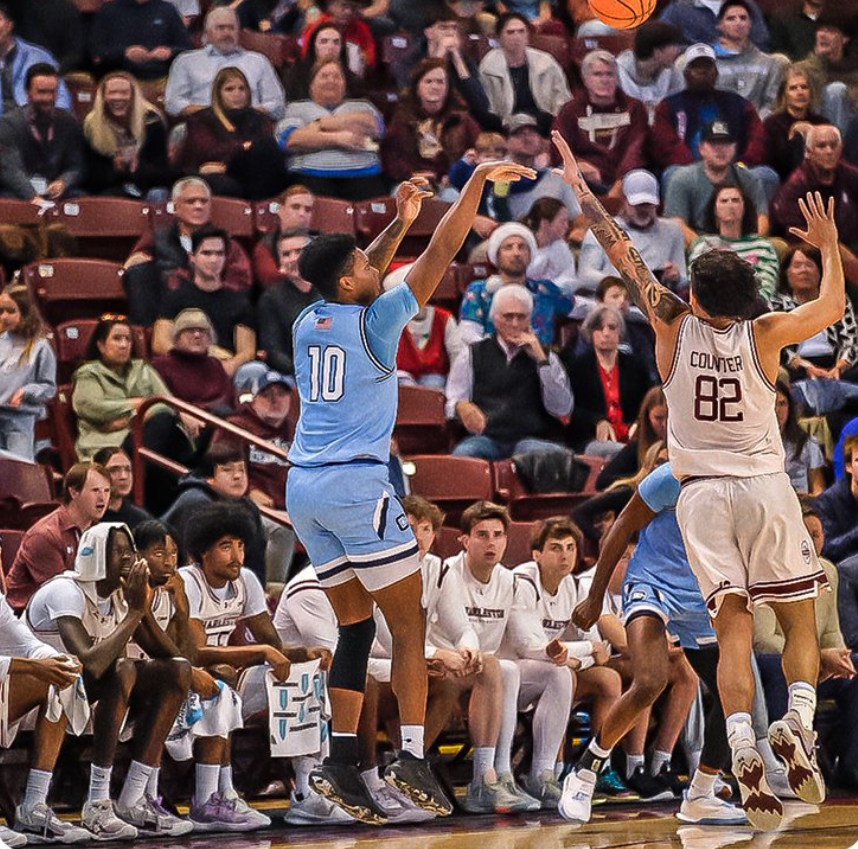
- Christian Moore (F, So., 6’6”, 225 lbs) – A reliable scorer (11.3 PPG) and efficient shooter (43.6 FG%, 40.7 3P%). Moore’s smooth perimeter stroke stretches defenses, and his personality and energy make him a locker-room favorite. He’s developing into a consistent offensive option off the bench.
- Gabe Hernandez (G, Jr., 5’11”, 180 lbs) – Has some ups, near 40” vertical leap. Though averaging just 8.2 minutes, Hernandez’s speed and athleticism could earn him increasing playing time in the second half of league play. He’s capable of scoring in bursts when given the chance.
- Logan Applegate (G, Sr., 6’2”, 185 lbs) – A potential floor spacer who hasn’t found consistency yet (32.4% from three). Averaging 6.7 points in 15.4 minutes, Applegate’s shooting could be a difference-maker in the second half if he heats up.
- Keynan Davis (G, Jr., 6’5”, 205 lbs) – A steady contributor (4.6 PPG, 1.7 RPG, 1.1 APG). Davis provides size and versatility on the wing but has yet to stand out in any one area.
- Marcos Gonzales (G, Fr., 6’3”, 180 lbs) – A freshman showing flashes of scoring potential (5.3 PPG in 14.2 minutes). Gonzales plays with confidence and could develop into a key rotation piece.
- Dante Kearse (F, So., 6’4”, 195 lbs) – A physical, confident forward averaging 3.9 points in 10.9 minutes. His 37.5% three-point shooting and defensive potential make him a valuable X-factor. If his offense becomes consistent, he could change the team’s trajectory in the second half.
- Cassius Bonjasky (F, Jr., 6’7”, 230 lbs) – Limited minutes (6.7 MPG, 2.4 PPG) but provides depth and physicality in the frontcourt.
The Good
Balancing Division I basketball with life at a military academy leaves little room for something most teams take for granted: free time. The Citadel plays with relentless effort and constant intensity. They’ll be among the conference leaders in diving for loose balls, and every program in the SoCon dreads seeing them on the schedule. You might wake up the next morning with a 20-point win, but you’ll also have a pounding headache and more bruises than a tenderized flank steak.
The Citadel benefits from strong continuity, with players staying in the program rather than rushing to the transfer portal after a freshman season. That stability shows up in their depth, as their bench ranks near the top of the SoCon in minutes played and scoring.
Offensively, they mix physical post play with perimeter spacing, often using “Barkley ball” principles—backing down defenders until a passing lane opens. This worked for Jay Wright at Villanova, but Jalen Brunson’s not walking through that door, fans. Donte DiVincenzo’s not walking through that door. Josh Hart is not walking through that door.
The Concerns
Every SoCon coach picked The Citadel to finish last, and the reasons were clear. But this season has turned out much better than anyone could have predicted. Despite their 4 conference wins, they still struggle mightily to defend the three-point line. Opponents routinely find open looks due to slow closeouts. But the job Ed Conroy has done with this team is nothing short of amazing.
Offensively, they have some scorers who are coming around, but their defensive lapses on the perimeter often erase the advantages they gain through hustle and rebounding.
The X-Factor
Dante Kearse. His combination of physical defense, confidence, and three-point shooting could give The Citadel a much-needed two-way presence. If he develops into a consistent scorer in the second half of the confernce season, he could elevate the Bulldogs from a spoiler to a legitimate mid-tier threat.
The Prediction
All of a sudden, this group is playing like a team with nothing to lose, and that kind of mindset can be dangerous for the rest of the conference. In the second half of league play, The Citadel should again be one of the hardest‑working teams in the SoCon, steal a few more conference wins, and finish a surprising sixth overall.
7. UNC Greensboro Spartans (8-14, 4–5 SoCon)
Preseason Coaches’ Poll: #5
Starters
- Valentino Pinedo (F, Sr., 6’8”, 230 lbs) – The Saint Francis and East Carolina transfer has become a steady interior option, averaging 7.0 points, 4.3 rebounds, and 1.3 assists in 24.6 minutes. Pinedo plays with an old-school flair—soft baby hooks, smart post passes, and crafty footwork. He’s unselfish and intelligent, but the Spaniard can’t hit his free throws (44.9 FT%).
- Justin Neely (F, Sr., 6’6”, 220 lbs) – The UAlbany transfer has been remarkably consistent, averaging a double-double with 16.5 points and 11.7 rebounds per game while adding 2.8 assists. Neely plays with relentless energy, attacks the glass, scores with both hands, and shows excellent body control. A true blue-collar presence, his hustle and leadership make him one of the most complete forwards in the SoCon—he’s got that dog in him. Well-spoken, full of leadership and bravado, he is the kind of player every team wants. His interview after beating East Carolina, where he said, “We’re a tournament team…and we’re going to dominate the SoCon,” was gloriously outstanding. The rest of the SoCon retorted with, “You sit on a throne of lies,” but it has only added fuel to the rivalries, and we are All Here for it!
- Donald Whitehead Jr. (G, Sr., 5’10”, 160 lbs) – A veteran scorer off the bench averaging 11.8 points per game, he brings instant offense and experience. After a slow start, his shooting splits have trended upward (39.7% from the field, 33.9% from three).
- KJ Younger (G, Fr., 6’4”, 218 lbs) – Love the way he plays and his enthusiasm for the game. Averaging 14.4 points per game, his defense remains a concern—he often struggles to stay in front of quicker guards, at times looking like someone trying to hail a taxi as opponents drive right by. Offensively, he’s aggressive and physical, very Mark Aguirresque, and he’s not afraid of the moment.
- Noah Norgaard (G, Fr., 6’2”, 194 lbs) – The “Nord-Dog”—just don’t call him “Boner Champ”—Norgaard is a scrappy guard who plays within himself. Averaging 7.1 points and 1.2 assists per game, he rarely turns the ball over (1.2 per game). He doesn’t move the needle, but he doesn’t hurt you either, and his shooting has improved recently.
Bench
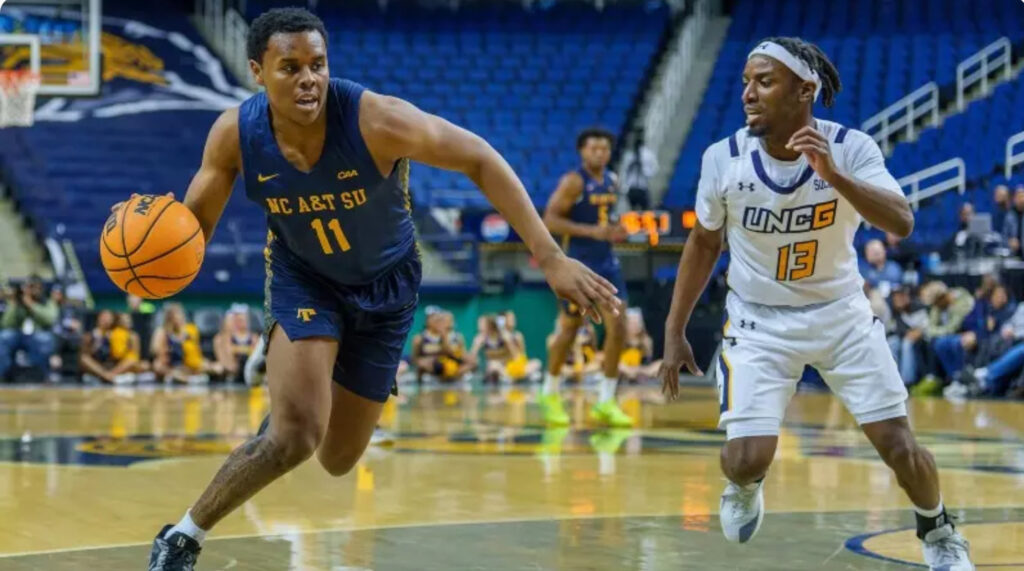
- Lilian Marville (G, Fr., 6’1”, 180 lbs) – A freshman revelation who has seemingly come out of nowhere, he is averaging 9.5 points per game while shooting efficiently (44.2% FG, 53.2% from three, 73.7% from the free-throw line). His 22-point breakout against East Carolina showcased his ability to handle pressure and hit big shots. Marville’s stutter-step crossover is devastating. He was becoming increasingly important to the team and then injuries have slowed him – missed the non-conference North Carolina A&T debacle, where his absence proved disastrous.
- Domas Kauzonas (F, Jr., 6’10”, 240 lbs) – Provides size and efficiency around the rim (59.3% FG). While his production is limited (43.4 PPG, 1.6 RPG), he offers valuable depth in the frontcourt. Foul trouble has prevented his minutes and role from increasing.
- Landon King (G, Jr., 6’1”, 188 lbs) – A developing shooter whose role was beginning to expand, he then had a horrid game against North Carolina A&T, going 0-for-6 from the field, including 0-for-4 on 3-pointers. Averaging just 8.9 minutes per game, King is now shooting 32.4% from three, making it difficult to predict what his role will be moving forward into the second half of the conference season.
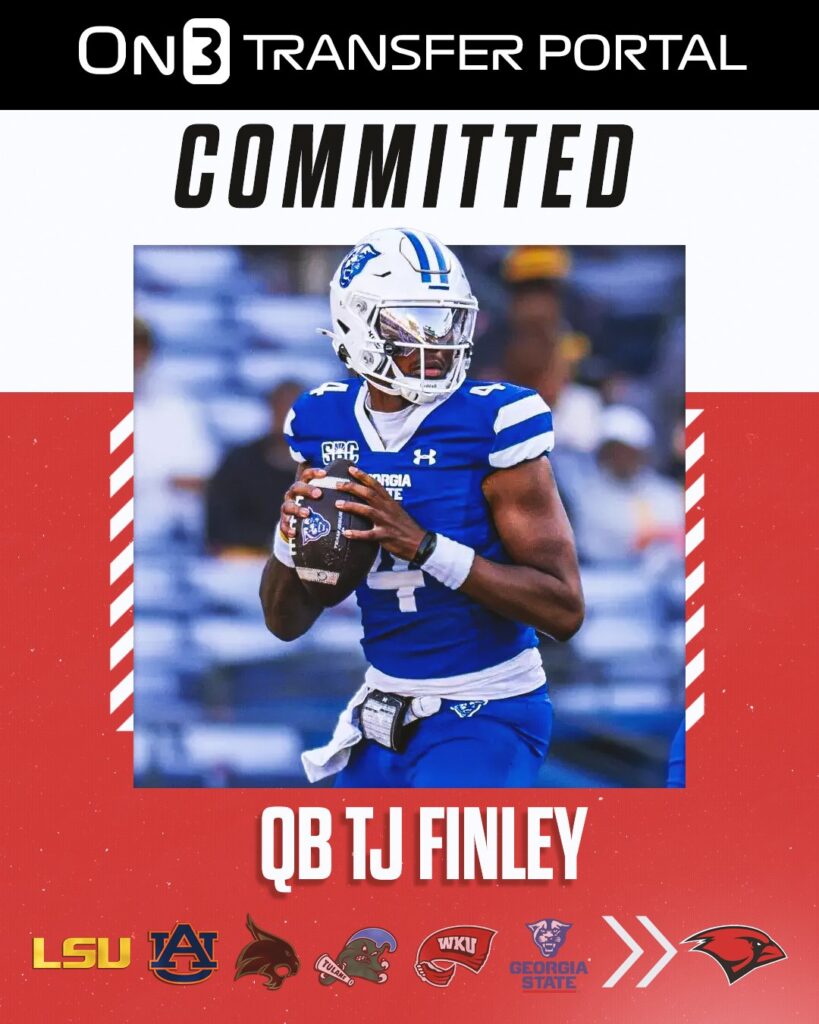
- Antwann Jones (G, Sr., 6’6”, 225 lbs) – The TJ Finley of college basketball, Jones is in his seventh year of school and has appeared in only seven games, yet he has delivered in clutch moments—most notably knocking down a key three late against East Carolina. He’s something of a free‑wheeler, imagine that after six previous stops, and tends to be effective only when things are going well, while often making them worse when they aren’t.
- Clinton Efinda (F, Jr., 6’5”, 220 lbs) – Struggling to make an impact (3.5 PPG, 1.4 RPG in 13.0 minutes). Shooting threes at only 3-point 30.8%, but nobody has told him because he keeps on shooting.
The Good
UNC Greensboro plays hard and competes every night. Their offensive identity is clear—push the pace, attack the rim, and rely on Neely’s inside-out versatility.
Neely has been outstanding, embodying the toughness and work ethic that Coach Mike Jones demands. Pinedo’s post craft, Marville’s shooting, and Younger’s energy give the Spartans a foundation to build on. Their 4 conference wins are a glimpse of what this group can be when it executes and plays with confidence.
Despite their record, the Spartans’ effort level remains high, and their young backcourt is gaining valuable experience.
The Concerns
This is a complete roster rebuild following the loss of all five starters from last season, and both chemistry and defensive structure remain works in progress. The Spartans are giving up far too many easy baskets and open looks, lack consistent rim protection, and do not have a true defensive stopper. Their opening half against North Carolina A&T was as poor as any I can recall, only to be followed by a wild second‑half rally before they pissed the game away at the line with missed free throws. It’s difficult to imagine being an alum or emotionally invested fan and watching this play out.
Turnovers and poor free-throw shooting continue to cost them close games. Pressing their guards often leads to mistakes, and they struggle to pass effectively out of traps. Rebounding on the offensive glass has also been a major weakness.
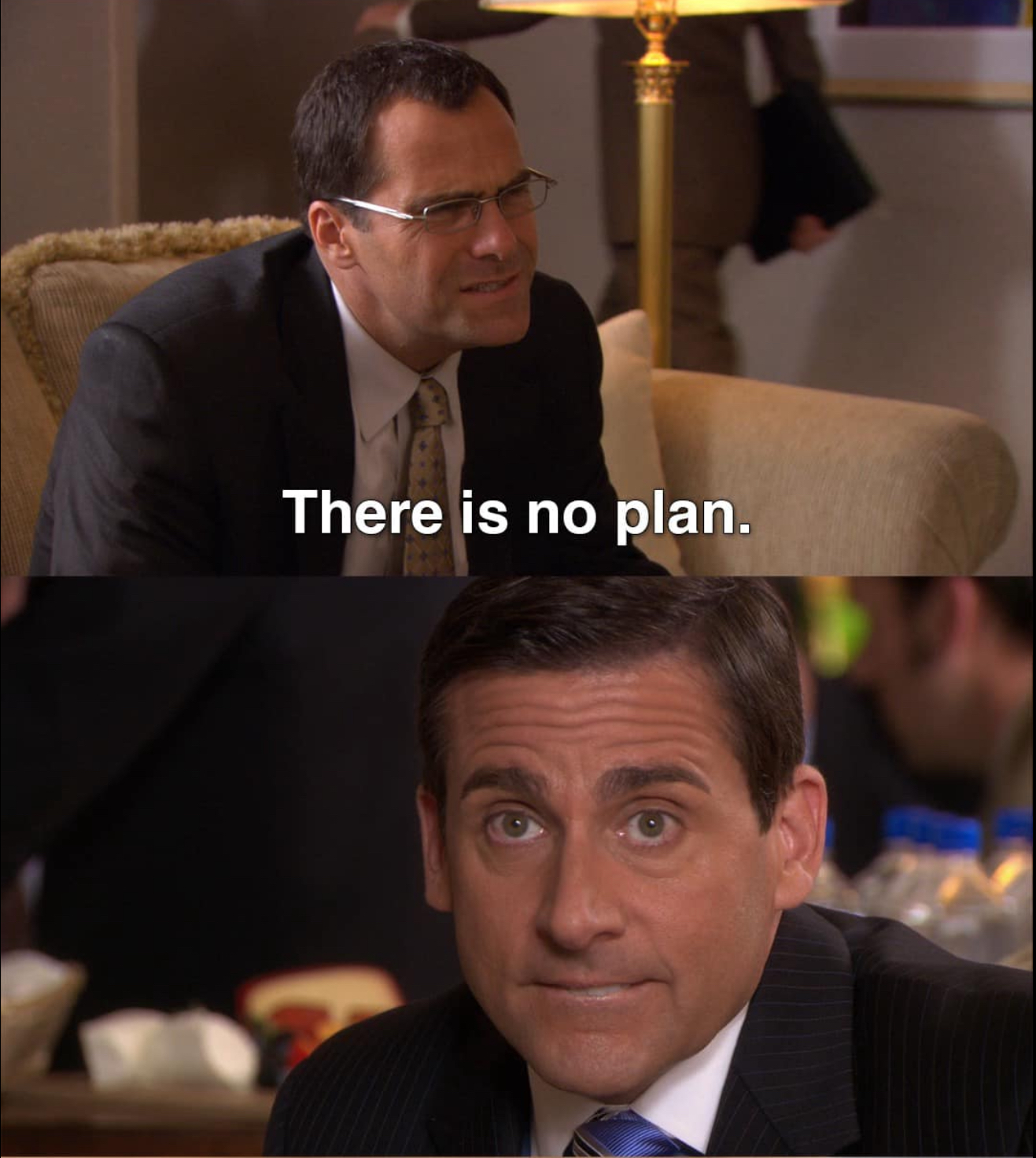
The roster construction feels like Michael Scott in The Office—“There is no plan.”
The X-Factor
Coach Mike Jones. His frustration with the transfer portal is understandable, but adapting to the new era of roster turnover is essential. Jones has proven he can coach—three consecutive 20‑win seasons and a reputation for defensive intensity—yet his teams have been eliminated by lower seeds in the SoCon Tournament in each of the past three years. Let’s face it: no coach has been in a worse situation than Kevin Giltner, but he has coached circles around Jones thus far this year…Still, it would be the most SoCon thing ever for Jones to crack the roster chemistry in the second half and make a run in the conference tournament.
The Prediction
UNC Greensboro has individual talent and plays with effort, but the lack of defensive cohesion and rim protection will limit its ceiling. Neely can keep them competitive.
Projected to finish seventh in the SoCon.
8. Samford Bulldogs (10–16, 3–6 SoCon)
Preseason Coaches’ Poll: #3
Starters
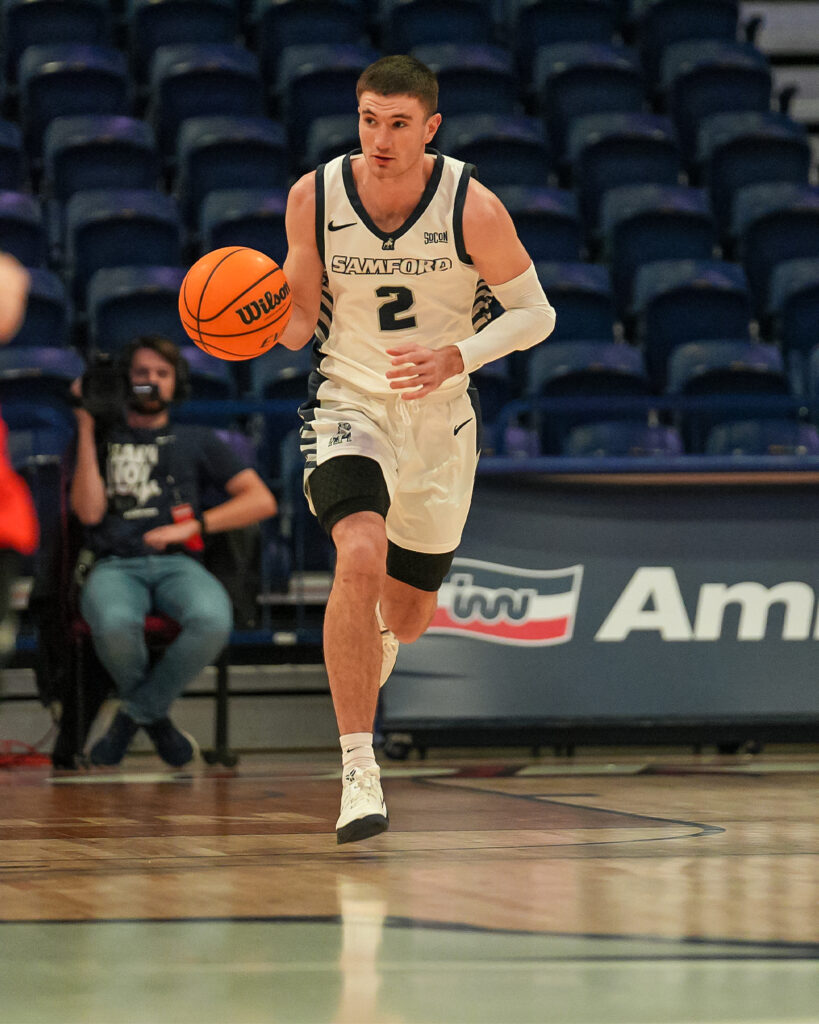
- Dylan Faulkner (F, Jr., 6’9”, 215 lbs) – Brought over from Lipscomb by new head coach Lenni Acuff, Faulkner has delivered immediate production. He’s averaging 17.3 points and 7.5 rebounds while shooting an impressive 63.1% from the field. His strength and touch around the basket make him a consistent interior threat, but his 53.3% free-throw shooting and foul trouble are major concerns. Faulkner’s intelligence and physicality anchor the offense, though his defensive foot speed can be exploited. Should never shoot a fadeaway, but he does.
- Cade Norris (G, So., 6’4”, 200 lbs) – The Illinois State transfer plays heavy minutes (28.8 MPG) but has yet to make a major impact statistically (8.0 PPG, 4.5 RPG, 2.0 APG). Norris provides steady defense and spacing but needs to assert himself more offensively to complement Booth and Faulkner.
- Keaton Norris (G, Sr., 6’0”, 175 lbs) – The Wright State transfer and floor general of this team, averaging 9.9 points and 4.7 assists per game. He’s a relentless hustler who dives for every loose ball, but he struggles under full-court pressure—often picking up his dribble or dribbling into traps. His energy and leadership are vital to Samford’s tempo.
- Jadin Booth (G, Sr., 6’2”, 185 lbs) – The Bulldogs’ go-to scorer and one of the SoCon’s elite shooters, Booth averages 20.8 points per game while shooting 41.6% from three and an impressive 89.0% from the free-throw line. He’s dynamic off the dribble, clutch in late-game situations, and capable of carrying the offense for long stretches. His ability to glide in transition and finish through contact makes him a complete offensive weapon—He’s got that dog in him.
- Isaiah Campbell-Finch (G, Fr., 6’0”, 165 lbs) – A fearless freshman playing 23.7 minutes per game. He’s averaging 7.3 points while shooting 30.0% from three, but his free-throw shooting (52.0%) is a liability. Campbell-Finch plays with poise and confidence, though his size makes him a defensive target. His creativity and ability to finish with either hand give Samford an exciting young piece for the future.
Bench
- Jaxon Pollard (F, Sr., 6’7”, 225 lbs) – The Queens University transfer brings toughness and rebounding (4.3 RPG in 14.7 minutes). A hard worker with NBA lineage—he’s the nephew of former pro Scott Pollard—but limited offensively.
- Kam Martin (G, So., 6’4”, 175 lbs) – The Long Beach State transfer provides energy and athleticism off the bench, averaging 5.5 points in 16.3 minutes per game. His effort level is high, but his offensive consistency is not; he’s struggled to shoot the ball (40.8% from the field, 33.9% from three).
- Zion Wilburn (G, So., 6’5”, 190 lbs) – A bouncy athlete averaging 3.7 points in 16.2 minutes, his athleticism is valuable for a team lacking length. He’s a strong candidate for increased minutes during the second half of the conference season.
- Justin Bjornstad (F, So., 6’8”, 200 lbs) – Formerly of Union (TN), Bjornstad plays limited minutes, averaging 2.5 points in 9.5 minutes per game. He provides depth but limited scoring punch, though his minutes and production have been increasing recently.
- Will Shaver (C, So., 6’10”, 265 lbs) – A big ole’ boy off the bench. Has shown flashes in limited minutes. Searching for consistency though. Quality backup to Faulkner…Maybe Samford should play him and Faulkner in a twin towers lineup? At this point in the season it can’t hurt.
The Good
Samford’s offense has a clear structure and purpose under Acuff. They move the ball crisply in the half-court and balance inside-out play effectively through Faulkner’s post presence and Booth’s perimeter shooting. The Bulldogs showed their potential early in non-conference in a narrow 75–79 loss at Arkansas, proving they can compete with high-major opponents when executing.
They draw strong home crowds in “The Pete,” making it a difficult place for opponents to play. Faulkner is a beast, and Booth is a downright dirty scorer who’s dangerous from any spot on the court.
The Concerns
The Bulldogs’ flaws are clear and potentially costly in SoCon play. They struggle to defend the paint and keep opponents off the offensive glass, which will be a significant issue in Conference Season against Bowser, Mighty, Morris III, et al. Their transition defense has been disastrous at times—VCU’s second-half explosion against them was a clinic in fast-break execution.
Free-throw shooting is another glaring weakness. Faulkner and Campbell-Finch’s combined struggles at the line could swing close games in conference play. The loss of Daijion Humphrey (Achilles injury) has thinned the rotation, leaving Samford effectively eight deep with limited bench scoring.
Defensively, they lack length and rim protection, forcing them to rely on positioning and rotations that often break down late in possessions.
The X-Factor
There’s no clear answer here—Booth and Faulkner bring maximum effort every night, but no one else on the roster has consistently stepped up. The X‑factor may simply be the competition; for the Bulldogs’ sake, hoping Chattanooga and VMI are as weak as expected might be the only thing keeping Samford out of the cellar.
The Prediction
Samford has talent in Booth and Faulkner and a capable coach, but the supporting cast lacks the consistency. Combined with it’s poor defense and free-throw shooting a projection to finish eighth in the SoCon seems generous.
9. Chattanooga Mocs (9–13, 3–6 SoCon)
Preseason Coaches’ Poll: #1
Starters
- Josh Bowman (F, Fr., 6’9”, 205 lbs) – Forced into action due to injuries, Bowman’s redshirt was burned midseason. Trying him in the starting lineup, but that’s not really working. Overall, he’s handled himself admirably, showing poise and some rebounding instincts. His performances can best be described as serviceable.
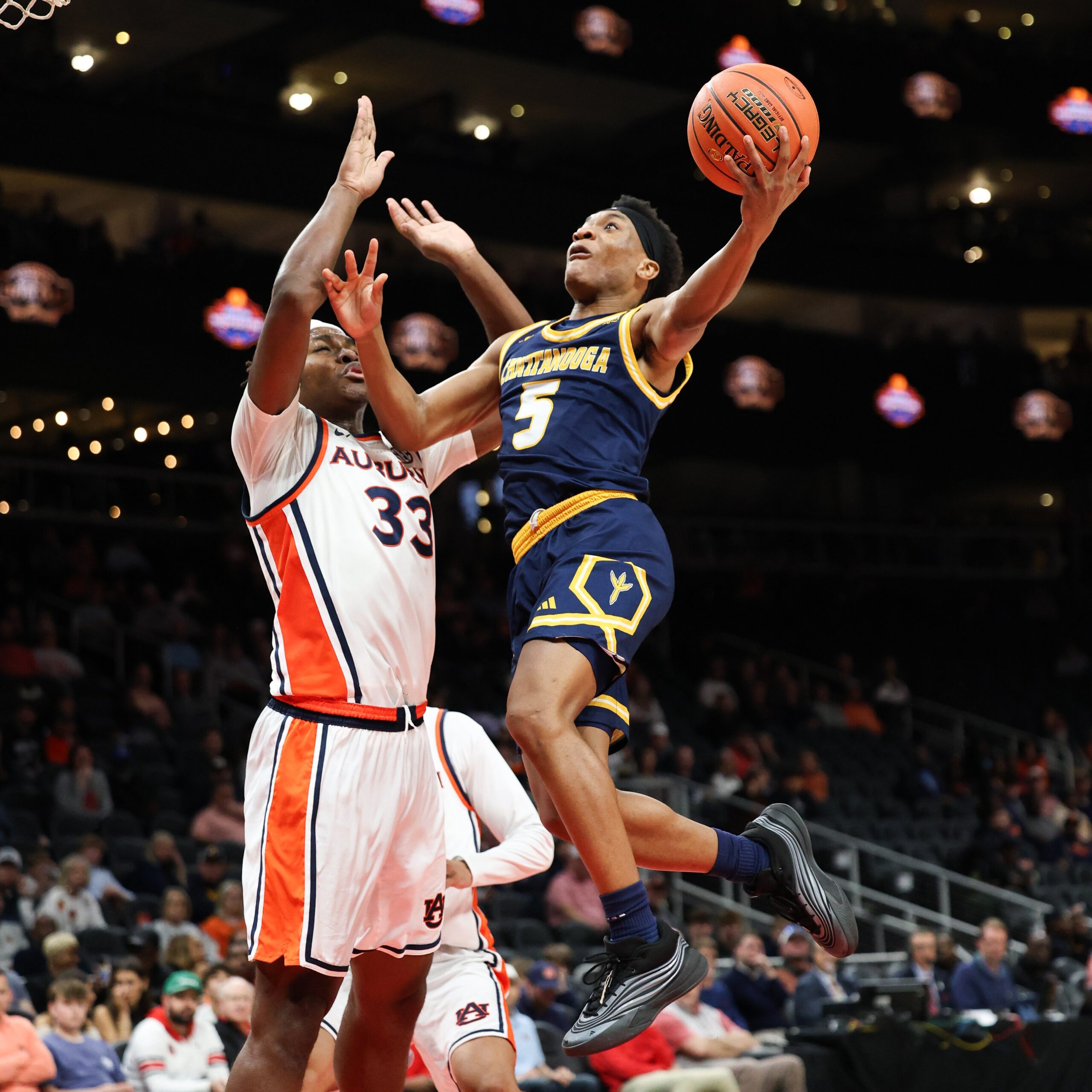
- Jordan Frison (G, Jr., 6’0”, 170 lbs) – The Pittsburg State transfer has been the Mocs’ most consistent player and best newcomer. Leading the team in scoring (14.9 PPG) and assists (4.0 APG), Frison is shooting the lights out (52.3 FG%, 43.8 3P%, 83.5 FT%)…He’s got that dog in him…During non-conference, he scared the hell out of Auburn—they could not stay in front of him, and he finished with 20 points, 4 rebounds, and 6 assists. His quickness, vision, and patience make him the true quarterback of the offense.
- Tate Darner (G, Fr., 6’4”, 180 lbs) – A coach’s son with a high basketball IQ and elite shooting touch (43.6 FG%, 39.2 3P%). Fearless and fundamentally sound, Darner has been a bright spot among the newcomers and appears to be a long-term cornerstone for the program.
- Jakari Johnson (G, Sr., 6’4”, 165 lbs) – A well-traveled guard who’s giving the Mocs 7.4 points in 15.6 minutes per game. His energy and scoring are welcome, given the team’s injury issues.
- Brennan Watkins (G, Sr., 6’0”, 180 lbs) – Another experienced guard from North Dakota State, he is averaging 8.6 points in 22.5 minutes per game. His shooting and toughness make him a reliable rotation piece, and with the wave of injuries, he has effectively become a de facto starter.
Bench
- Teddy Washington Jr. (G, Sr., 6’2”, 175 lbs) – On his sixth college stop, Washington entered with major expectations as one of the SoCon’s top portal additions. He’s averaging only 8.8 points and 3.3 rebounds and struggling from deep (21.4 3P%). Had perhaps his best game on the big stage against Auburn, finishing with 16 points and 5 steals.
- Parker Robinson (G, So., 6’0”, 175 lbs) – A former walk-on who understands the system and moves well without the ball. Viturally no production (1.6 PPG) but provides depth and stability.
- Billy Smith (G, Sr., 6’7”, 205 lbs) – He transferred from Bellarmine with the expectation of being the Mocs’ plug‑and‑play sharpshooter, but the transition has been far from seamless. He is averaging 9.1 points per game while shooting 31.9% from three. His free‑throw struggles at 66.7% have been costly at times, he was supposed to bring an ability to stretch the floor, something vital to Chattanooga’s spacing and offensive structure. Seems to shooting worse as the season has worn on.
- Collin Mulholland (F, So., 6’10”, 218 lbs) – The most important injured player on the roster returned to the starting lineup, but the results have been uneven. In the 13 games he’s played this season, he’s averaging 7.7 points, 2.7 rebounds, and 1.2 assists in 16.8 minutes. His size, shooting, and passing were sorely missed, but the Mocs are still waiting for him to get completely back to form.
- Sebastian Hartmann (G, Jr., 6’6”, 210 lbs) – Only played in seven games this season. Another one of the walking wounded. When healthy, the versatile Eastern Washington transfer has been a steady contributor, averaging 7.0 points and 5.0 rebounds per game. Hartmann’s toughness, rebounding, and defensive versatility allow him to guard multiple positions and even slide to small‑ball center when injuries thin the frontcourt. His return this season is needed, but perhaps doubtful.
- Makai Richards (C, Sr., 6’10”, 225 lbs) – At one point this season, the former Pacific Tiger was the Mocs’ only true interior presence. He’s averaging 3.4 rebounds in limited minutes (12.3 MPG). He needs to be more assertive offensively—too often settling for jump shots instead of attacking the rim. He shuffles his feet when he gets the ball near the hoop, takes an easy shot, and makes it harder by not going straight up with it. Case in point: against Auburn, he logged 20 minutes but finished with just two points and one rebound. His 75.0% free‑throw shooting is solid for a big, and if he embraces contact, he could become useful in SoCon play.
The Good
Frison is the real deal, and Darner has potential as a freshman. Other than that—no much to get excited about with this roster.
McKenzie Arena remains one of the toughest venues in the league, but the home losses are pilling up this season. Hard to envision the Mocs finding a rhythm in the second half unless they get healthy.
The Concerns
The Mocs’ offensive system remains proven and efficient, built around spacing, ball movement, and perimeter shooting—but it is increasingly clear that the shooters are not there this year. They are hitting 35.5% from behind the arc, which does not look that bad on the surface, but no one on this roster is a consistant threat from three.
Defense has been the Achilles’ heel. The Mocs struggle in the half-court, particularly protecting the paint and closing out on shooters. Injuries to key bigs have forced them to play small, exposing their interior defense.
Chemistry never developed with all the new faces, and leadership has yet to emerge. The loss of Sean Cusano (out for the year) and the absence of Mulholland have forced freshmen and walk-ons into extended roles.
The X-Factor
Sebastian Hartmann. He has versatility and toughness. If he can get healthy, he could provide energy and rebounding, Chattanooga’s defense and lineup balance will improve dramatically in the second half of the conference season if Hartmann returns.
The Prediction
Chattanooga entered the season as the preseason favorite, on the assumption that transfers and freshmen would be plug‑and‑play, but injuries have slowed their momentum. The talent looks to have been overestimated, though poor health and lack of defensive consistency have been devestating.
Projected to finish ninth in the SoCon, the Mocs are no longer a serious threat unless the roster returns to full strength. There should be some improvement if the team gets healthy, but they currently trail everyone in the league except
10. VMI Keydets (6–16, 1–8 SoCon)
Preseason Coaches’ Poll: #6
Starters
- Cal Liston (F, So., 6’5”, 217 lbs) – A role player who gives you very little production. Averaging 4.5 points, 3.1 rebounds, and 0.8 assists in 21.0 minutes. Liston trys to bring physicality and effort but has yet to make a significant statistical impact, and his minutes have been trending down.
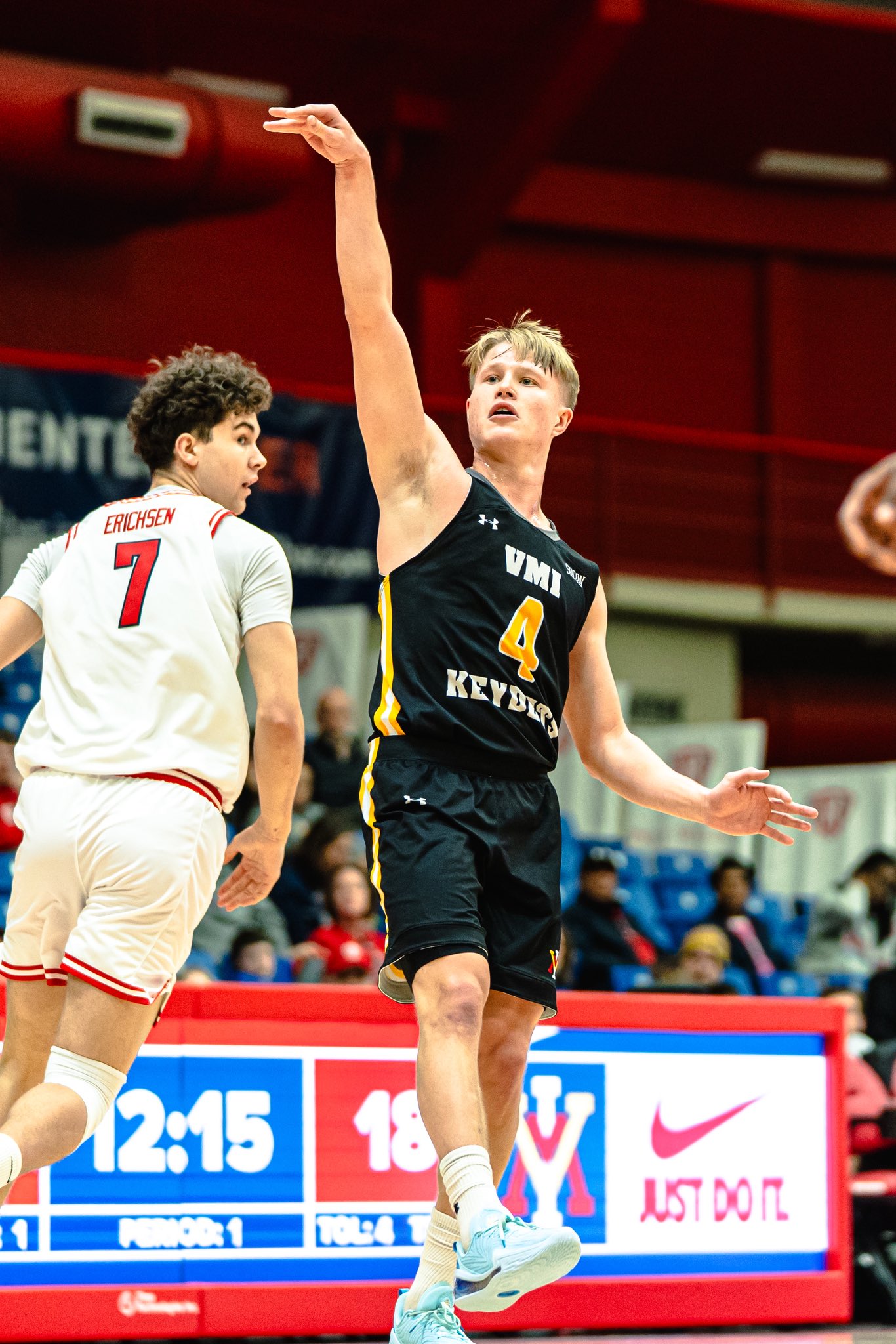
- TJ Johnson (F, Jr., 6’7”, 215 lbs) – The Lipscomb transfer and preseason All-Conference pick has been spectacular, averaging 18.2 points and 7.1 rebounds. Arguably the best pure shooter in the SoCon…Don’t lose him in transition, or you will die. His combination of size, touch, and confidence makes him the offensive centerpiece for the Keydets.
- Linus Holmstrom (G, So., 6’3”, 195 lbs) – Matt Damon will play him in The Linus Holmstrom Story. Movie‑star looks aside, he is an assassin behind the arc. Holmstrom averages 10.0 points while shooting 39.2% from the field and 34.1% from three, and he went full Jason Bourne on Loyola Maryland during a non-conference game, hitting seven first‑half threes.
- AJ Clark (G, Jr., 6’4”, 184 lbs) – One of the best on‑ball defenders in the SoCon, Clark’s athleticism and energy are unmatched. He averages 6.7 rebounds per game while shooting 47.7% from the field and 40.0% from three, and his explosiveness and edge bring intensity to both ends of the floor. He will happily dunk on your head—He’s got that dog in him.
- Tan Yildizoglu (G, Jr., 6’4”, 190 lbs) – The Pacific transfer is one of the best pure passers in the conference, averaging 8.9 points and 3.9 assists. Though his three-point shot hasn’t fallen (29.3%), his vision and flair make him the team’s offensive conductor. Plays with a certain flair when the ball is in his hands. With Rickey Bradley Jr. sidelined, Yildizoglu has stepped into a leadership role. Can be muscled and backed down by bigger guards on defense.
Bench
- Kaden Stuckey (F, So., 6’8”, 232 lbs) – A physical forward who rebounds effectively (4.4 RPG) in 15.4 minutes per game. Limited offensively (2.5 PPG) but provides needed size and toughness.
- Jaylen Pazon (G, So., 6’5”, 195 lbs) – A left-handed slasher averaging 7.6 points in 15.6 minutes. Pazon’s athleticism and ability to attack the rim make him a dynamic change-of-pace scorer off the bench.
- Walker Andrews (G, So., 6’1”, 180 lbs) – Will shoot it – Averaging 7.1 points in just 14.5 minutes. His 32.1% mark from three doesnt move the dial. Has not been the perimeter weapon VMI thought they had for their spread offense.
- Mario Tatum Jr. (G, Fr., 6’3”, 190 lbs) – A strong, creative freshman scorer averaging 9.9 points per game. Tatum uses his body well to finish through contact and has shown maturity beyond his years.
- Alexander Daushvili (F, Fr., 6’8”, 211 lbs) – Had a strong debut against Radford with 24 minutes, 14 points, and 5 rebounds, going 3‑for‑4 from the field and 8‑for‑8 at the free‑throw line, only to get hurt again. He would have given the Keydets much‑needed size if he would have stayed healthy.
The Good
VMI returned nine of its top ten scorers from last season, giving the Keydets rare continuity in a transfer-heavy era. Their offense has increased the use of the 3-ball this season; it’s fast-paced, fearless, and built around spacing and shooting. When they’re confident and playing with swagger, they can be competitive. But with all the injuries those days seem like a thing of the past.
Head coach Andrew Wilson has leaned into a unique matchup zone that thrives on chaos, as the Keydets pressure passing lanes, trap aggressively, and force turnovers that fuel their transition game. Adding to the challenge, Cameron Hall can be a loud, rowdy environment, making execution even more difficult for visiting teams.
Without their star Rickey Bradley Jr., the SoCon Preseason Player of the Year, VMI has failed to remain competitive. Bradley, who has been sidelined with an undisclosed injury, was expected to return in January, according to Damien Sordelett of The Roanoke Times. That didnt happen and at this point I would be surprised if he came back this season and if VMI won another game.
The Concerns
The glaring weakness is the lack of a true interior presence. Without a dominant big man, VMI struggles to defend the paint and rebound against larger teams. Their aggressive zone can also leave them vulnerable to back cuts and second-chance points.
The biggest dissapointment, however, is Bradley Jr.’s health. The team has provided no updates on his injury, leaving uncertainty about how close to full strength he will be when he returns. His absence has dramatically cratered VMI’s season, even if he makes it back it would be hard to elevate the Keydets season.
The X-Factor
Jaylen Pazon. His ability to attack off the dribble and create his own shot gives VMI a crucial secondary scoring option. If he continues to develop, he could become the spark that helps the offense. Consistency and durability remain his key questions.
The Prediction
VMI’s offensive firepower and chemistry was thought to be a strenth back in the preseson, but their lack of size and uncertainty surrounding Bradley Jr. limit their competiviness. Their energy, shooting, and home-court advantage seemed to have been drained from their physie during the first half of conference play.
Projected to finish thenth in the SoCon, the Keydets are the worst team in the conference by a wide margin—capable of losing out in the second half of conference play.

