



Former Western Carolina standout delivered a touchdown that helped launch one of the most iconic dynasties in professional football.
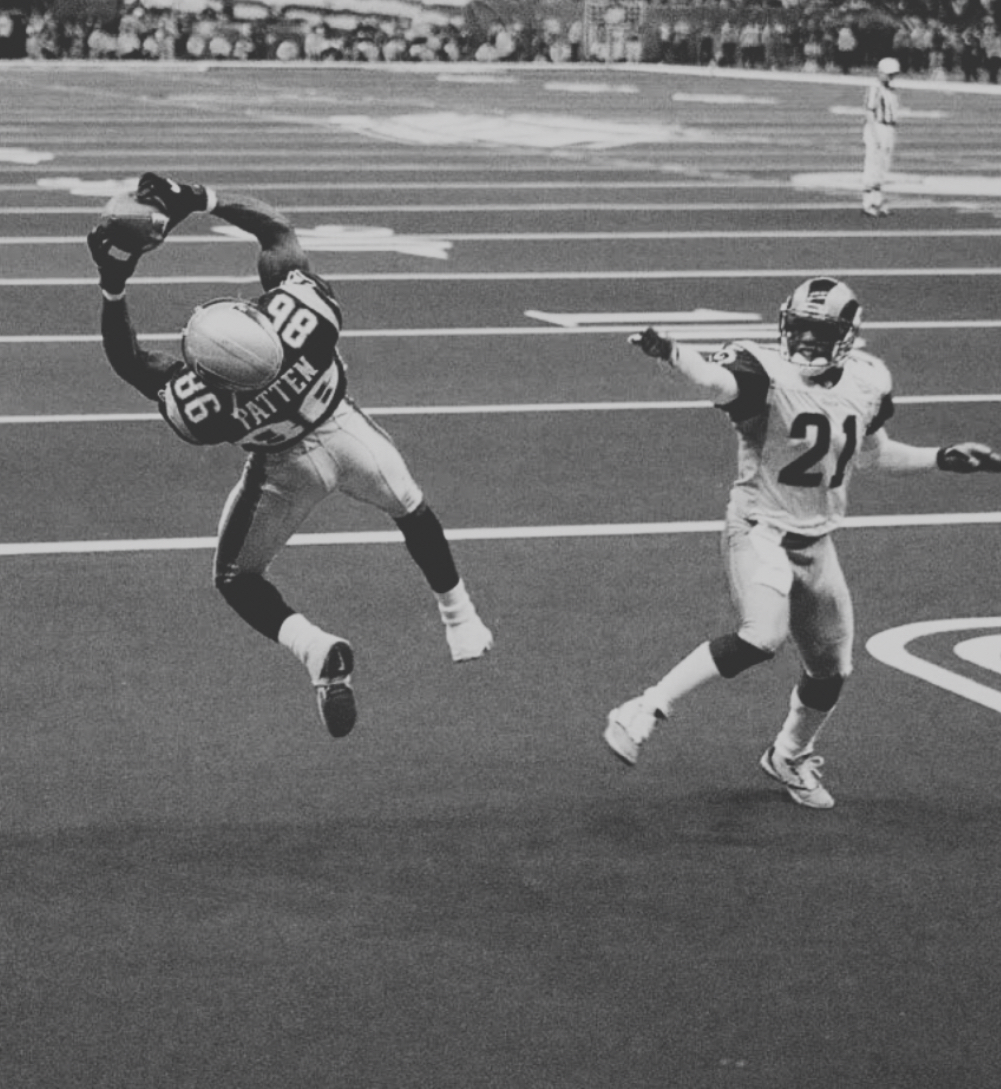
It may sound hard to believe now, but February 3, 2002, was the night the New England Patriots stunned the football world in Super Bowl XXXVI. It was also a landmark moment in SoCon history. Late in the first half, Tom Brady connected with David Patten on an eight-yard touchdown pass, sending New England into halftime with a 14–3 lead over the heavily favored St. Louis Rams. A Brady‑led Patriots team as heavy underdogs? Hard to imagine now.
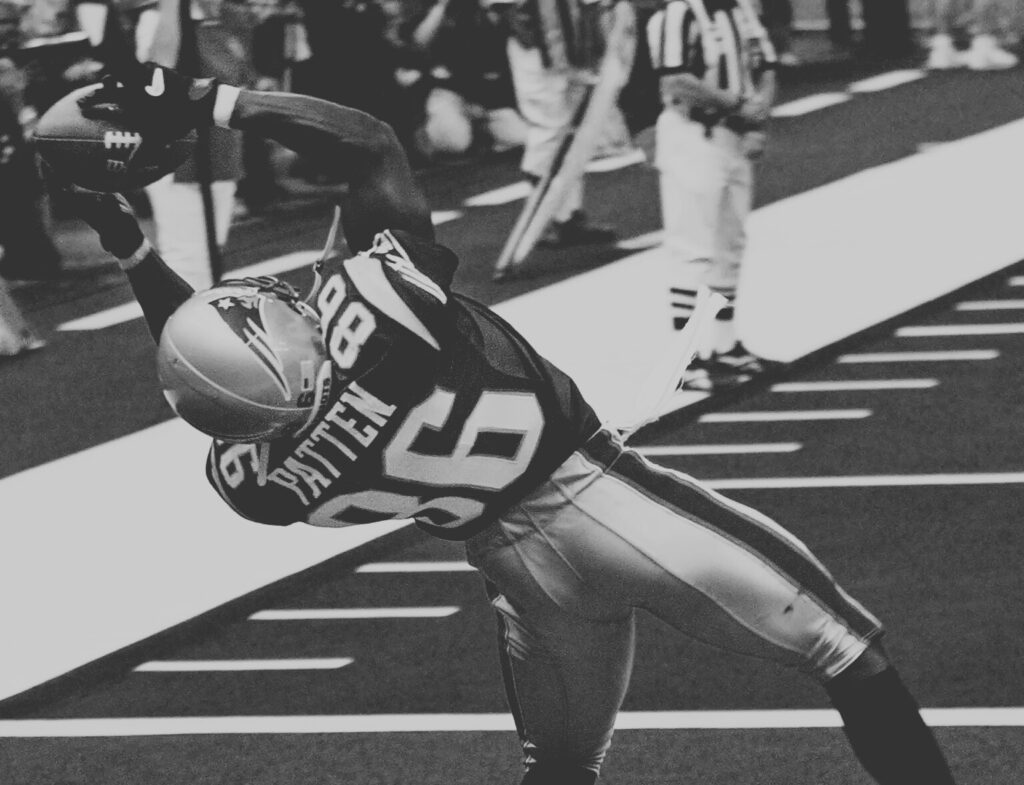
That play carried historic weight. It was Brady’s first-ever playoff touchdown pass and the first of what would become a record 21 Super Bowl touchdown throws. For Patten, the moment symbolized the culmination of a journey that began years earlier in the Southern Conference at Western Carolina.
A Touchdown That Changed Everything
Patten finished Super Bowl XXXVI with just one reception, but it was unforgettable. His eight-yard touchdown just before halftime extended the Patriots lead and helped swing the momentum of the game. His impact extended beyond that single catch, as he also added a 22‑yard rushing play midway through the second quarter. New England ultimately secured a 20–17 victory, capturing the franchise’s first Super Bowl championship and igniting a dynasty.
Western Carolina
Before becoming a Super Bowl hero, David Patten built his résumé at Western Carolina University from 1991 through 1994. Playing for the Catamounts, he steadily developed into one of the most productive wide receivers in school history.
Patten totaled 96 receptions for 1,563 yards and 14 touchdowns during his collegiate career. As a junior, he recorded 32 catches for 564 yards and six scores. He followed that with a career-best senior season, posting 59 receptions for 881 yards and seven touchdowns, ranking among the top single-season performances in Western Carolina history.
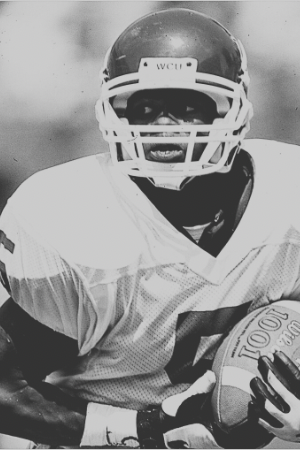
Despite his success, Patten went undrafted in 1997. Like many SoCon athletes who went on to do great things in the pros, he entered the NFL without guarantees, relying on perseverance and opportunity to define his future.
From Undrafted to Unforgettable
Patten signed with the New York Giants as an undrafted free agent in 1997 and began a professional career that would span 13 seasons, including 12 years in the NFL. His defining chapter came with the New England Patriots, where he became a reliable presence during the team’s rise to dominance.




He earned three Super Bowl rings and played a crucial role during the Patriots’ formative championship years. In October 2001, Patten delivered one of the most unique performances in league history, becoming just the sixth NFL player to run for a touchdown, catch a touchdown, and throw a touchdown in a single game.
Giving Back to the SoCon
After retiring from the NFL, Patten returned to Western Carolina to complete his degree and give back to the program that shaped him. In 2013, he joined the Catamount coaching staff, bringing professional insight and mentorship to the next generation.
His legacy continued through his family as well. His son, Daquan Patten, played for Western Carolina from 2016 through 2021, further strengthening the Patten name within the Southern Conference.
Remembering a SoCon Legend
David Patten tragically passed away on September 2, 2021, at the age of 47 following a motorcycle collision in Columbia, South Carolina. His loss was deeply felt across the NFL and throughout the SoCon community.
Yet his legacy remains powerful. From an undrafted free agent to a three-time Super Bowl champion, Patten’s career continues to exemplify what is possible for SoCon athletes who went on to do great things in the pros.
The Point After
February 3, 2002, stands as more than a Super Bowl milestone. It represents the moment when Southern Conference football intersected with NFL history on the sport’s biggest stage. David Patten’s touchdown catch helped launch a dynasty and solidified his place in SoCon lore.
Today in SoCon history reminds us that greatness often begins in unexpected places, and that the Southern Conference has long been a proving ground for athletes destined to leave a lasting mark on professional sports.

