



SoCon standout rose from Western Carolina to one of the most dominant defensive players in the NFL
On February 2, 1992, Clyde Simmons represented the Southern Conference on one of football’s biggest stages, starting at defensive end in the NFL Pro Bowl. It was the culmination of years of dominance that began at Western Carolina and carried through the heart of one of the most feared defenses in league history.
Western Carolina
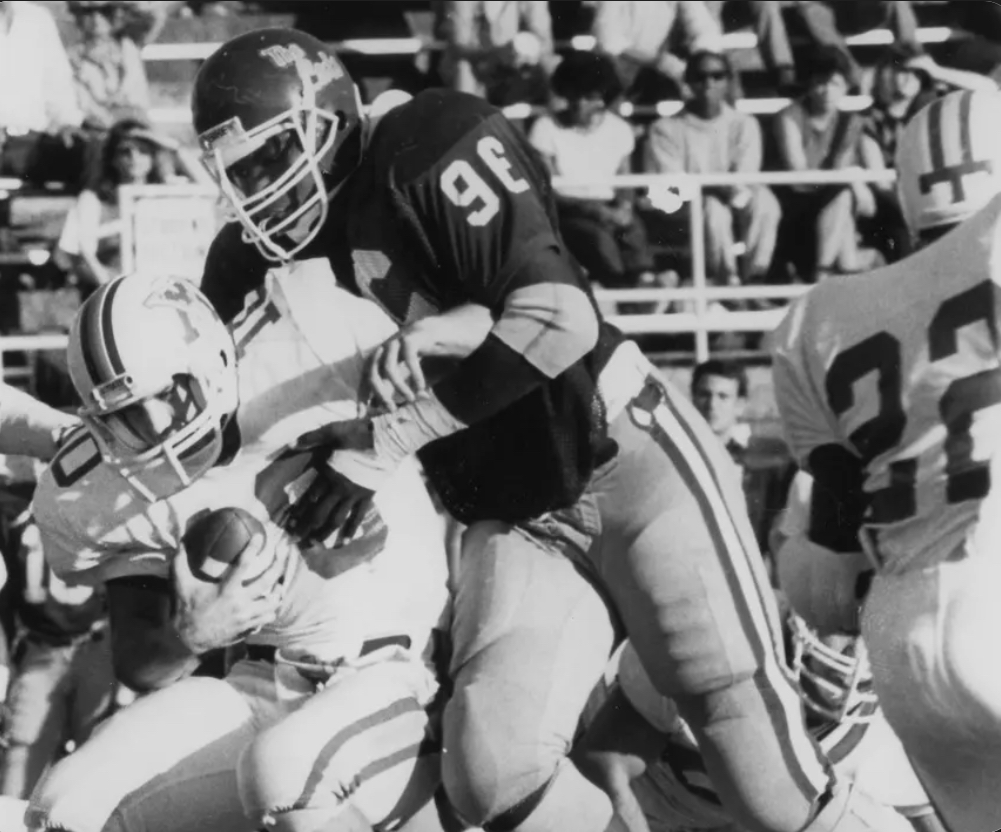
Clyde Simmons played at Western Carolina from 1982 to 1985, developing into the anchor of the Catamounts’ defensive line. In his senior season he earned first-team All-Southern Conference honors and was named a first-team All-American by the Football Coaches Association.
National exposure for FCS programs has always been limited, but Simmons’ production forced attention. He combined size, power, and relentless effort, traits that defined his college career and foreshadowed his professional success. His development at Western Carolina reflects a recurring theme in conference history — there has always been elite talent within the SoCon.
From SoCon Standout to NFL Star
Drafted by the Philadelphia Eagles in 1986, Simmons quickly proved that his collegiate dominance translated to the professional game. Over a 15-year NFL career, he became one of the league’s most feared pass rushers while remaining stout against the run.
Between 1988 and 1992, Simmons ranked second in the entire NFL with 63.0 sacks, an extraordinary five-year stretch that highlighted both consistency and durability. His finest season came in 1992, when he led the league with 19.0 sacks, firmly establishing himself as one of the NFL’s elite defensive players.
Defining Performance
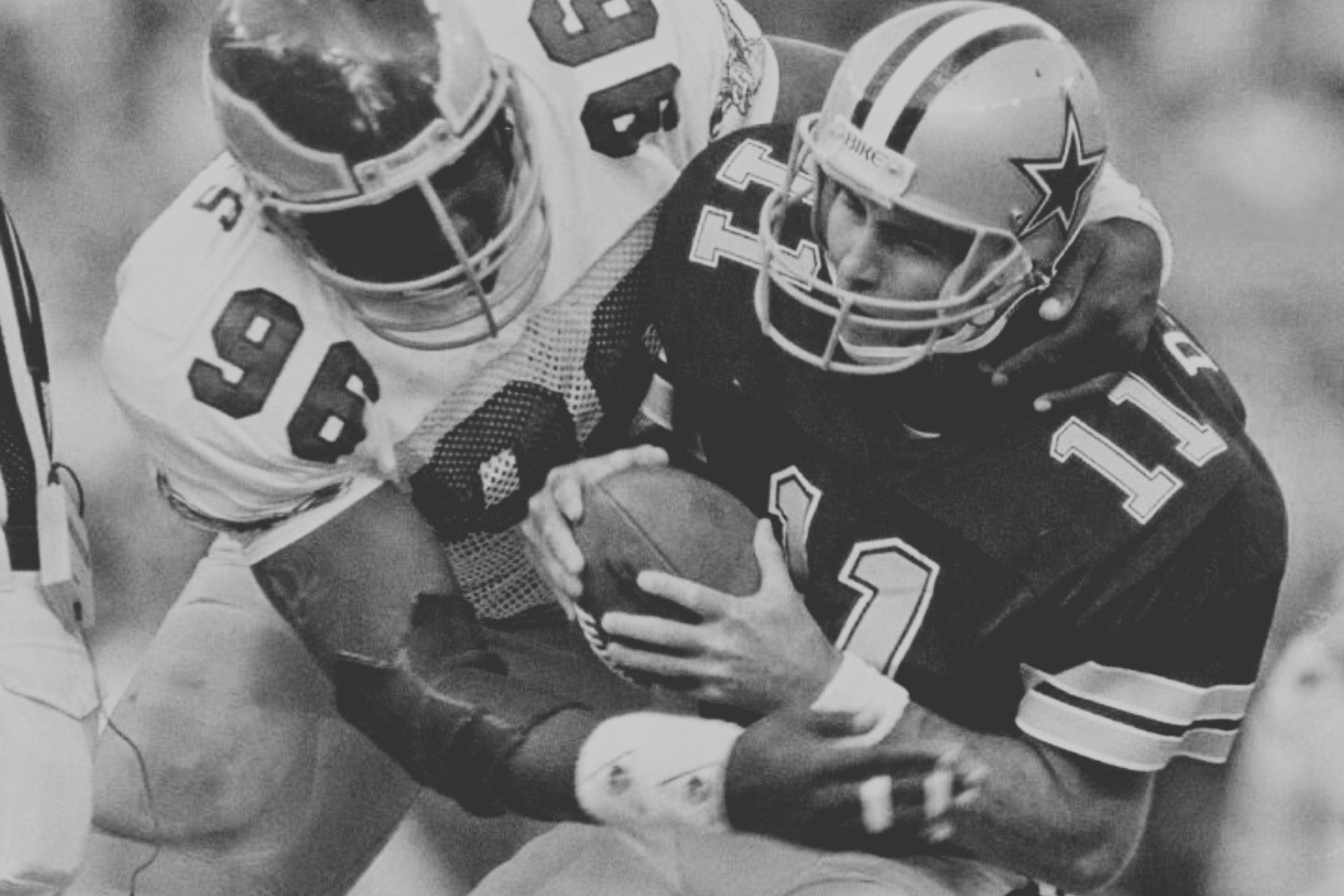
One of the signature moments of Simmons’ career occurred on September 15, 1991, against the Dallas Cowboys. That afternoon, Simmons recorded 4.5 sacks, setting a Philadelphia Eagles franchise record for sacks in a single game—a dominant performance that certainly helped cement his Pro Bowl election.
This performance became a defining snapshot of his impact during that season, underscoring his ability to take over games against elite competition and solidifying his reputation as one of the league’s most disruptive defensive linemen.




Historic Eagles Defense
Simmons’ impact was magnified by his role on the legendary 1991 Philadelphia Eagles defense, widely regarded as one of the greatest in NFL history. That unit finished the season ranked first in the league in:
- Fewest passing yards allowed
- Fewest rushing yards allowed
- Fewest total yards allowed
Only five teams in NFL history have achieved that defensive trifecta, and the 1991 Eagles were the first to do so since 1975. With Simmons and Reggie White coming off the edges and Jerome Brown controlling the interior, the Eagles allowed just 15.3 points per game, overwhelming opponents with speed and physicality.
February 2, 1992: Pro Bowl Recognition
Simmons’ dominance earned him selection to the 1992 Pro Bowl, held on February 2, 1992, at Aloha Stadium in Honolulu, Hawaii. At that time, Pro Bowl rosters were determined solely by votes from NFL players and coaches, with no fan voting involved, making the honor a direct reflection of peer respect.
The starting defensive line featured White and Simmons at defensive end, alongside Brown and Jerry Ball at defensive tackle. The game itself reflected a different era of the Pro Bowl — competitive, complete rosters, and full participation from the league’s stars. The NFC claimed a 21–15 victory, with Dallas Cowboys wide receiver Michael Irvin earning MVP honors.
Completing the Circle
After establishing himself as one of the most productive pass rushers of his generation, Simmons returned to Western Carolina to complete his degree, graduating in May 1996. That decision reinforced the lasting connection between SoCon athletes and the institutions that helped shape their careers.
His journey from Cullowhee to the Pro Bowl serves as a blueprint for the conference’s enduring influence.
The Point After
February 2, 1992, represents more than a Pro Bowl appearance — it symbolizes the broader legacy of SoCon athletes who went on to do great things in the pros. Clyde Simmons’ rise from Western Carolina standout to NFL sack leader and Pro Bowl starter underscores the Southern Conference’s ability to develop elite talent capable of thriving on the game’s biggest stages.

